
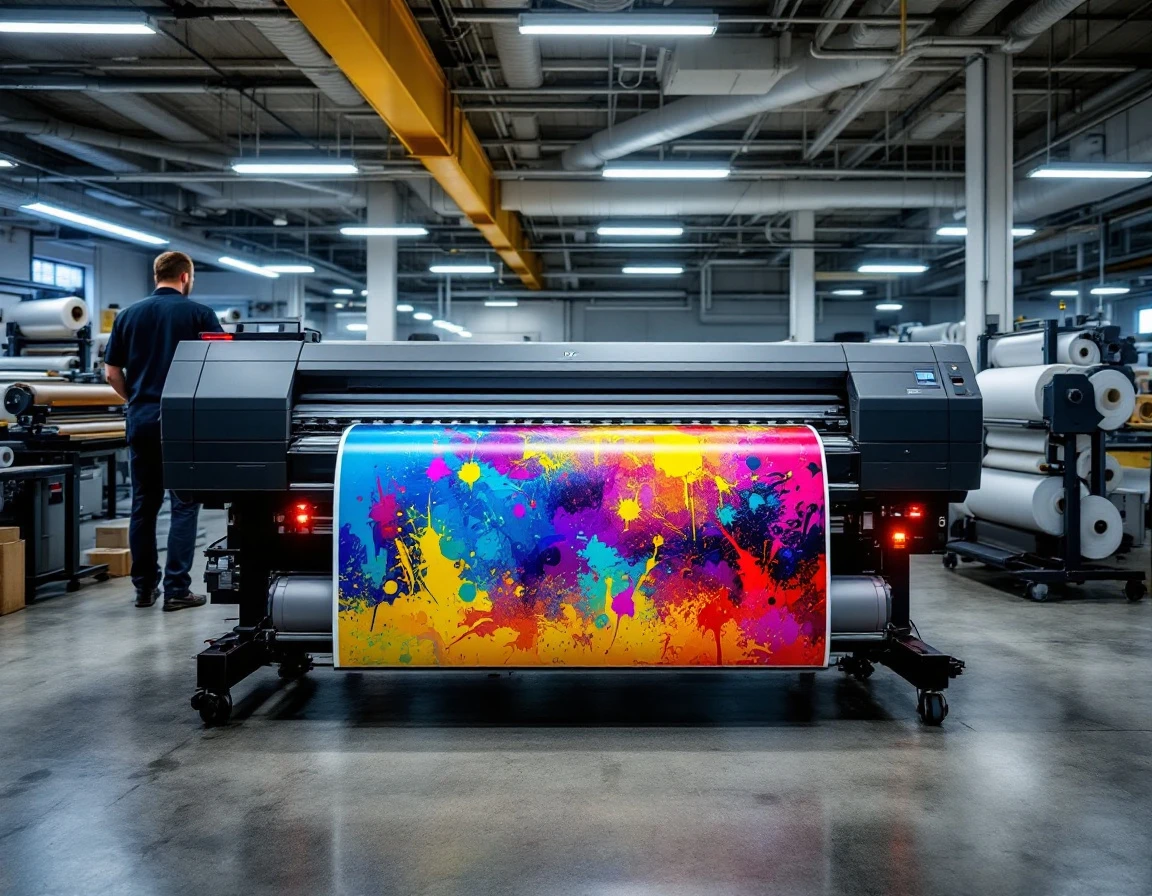
Why June 2026 Is Critical for Print Shop Growth at PRINTING United Expo
June 2026 marks the return of PRINTING United Expo for print shop owners, where independent operators can access equipment demos, industry connections, and growth strategies exactly when mid-year planning cycles begin.
H2 2026 investment decisions start at the expo
Print shop owners planning equipment purchases or service expansions for the second half of 2026 make those decisions at PRINTING United Expo in June. Trade shows function as preview windows where manufacturers unveil equipment innovations months before broader market release. Attending the expo positions independent operators to evaluate new presses, finishing equipment, and workflow software while budgets and floor space planning for fall deployment remain flexible.
Networking at PRINTING United Expo
The conversations that happen between sessions at PRINTING United Expo connect shop owners to suppliers, equipment manufacturers, and peers who’ve solved problems you’re currently facing. These connections turn into vendor relationships, partnership opportunities, and referrals that directly impact your revenue.
Independent shops that skip printing industry trade shows miss the chance to meet decision-makers face-to-face. Your competitors who attend build relationships that lead to better equipment pricing, early access to new services, and collaborative opportunities with complementary businesses in their markets.
Product Innovations and Equipment ROI
PRINTING United Expo delivers hands-on access to equipment categories that define H2 profitability for independent shops. Walking the show floor allows owners to compare production inkjet systems, finishing automation tools, and workflow software side by side—creating clarity that online spec sheets and vendor webinars cannot match. Direct conversations with manufacturers reveal real-world performance data, maintenance requirements, and integration challenges that determine whether a purchase drives revenue or creates operational bottlenecks.
Independent shops typically evaluate three equipment categories at printing equipment and product insights expos like PRINTING United. Production inkjet systems for high-volume business printing offer speed advantages over traditional offset presses while reducing setup time. Automated binding and finishing equipment eliminates manual steps in book production, packaging, and specialty projects, freeing staff for customer-facing work. Workflow automation software connects estimating, production scheduling, and job tracking into unified systems that reduce errors and improve turnaround times.
Booth demos provide performance insights that vendor sales calls skip. Owners test paper handling on specific stock weights, observe color consistency across multiple runs, and identify interface issues before committing capital. Competing vendors exhibit within steps of each other, making direct feature and price comparisons practical during a single afternoon.
Equipment decisions finalized at June expos position shops to install new systems during summer, training staff and refining workflows before Q4 demand arrives. Shops that delay evaluation until fall miss the implementation window that prepares operations for year-end production peaks.
Networking and Lead Generation Strategy
The most profitable connections at PRINTING United Expo happen in three layers. First, shop owners visit pre-qualified vendor booths with prepared questions about equipment pricing, service agreements, and installation timelines. Second, peer networking sessions and hallway conversations with other independent owners reveal pricing strategies, service expansions, and staffing approaches that don’t appear in industry publications. Third, structured follow-up systems convert booth conversations into vendor partnerships, trial arrangements, and negotiated package deals.
Consider a print shop owner evaluating a new finishing system at the expo. After a booth demonstration, they discuss current pain points with manual bindery work and ask about trial periods. The vendor, eager to close deals during the show, offers a three-month trial with discounted pricing if the shop commits before the end of H2 2026. This type of negotiation happens frequently at print shop networking events but rarely through standard sales channels.
The key to networking ROI is immediate follow-up. Successful shop owners schedule vendor calls before leaving the expo floor, arrange peer benchmark conversations within two weeks, and track which contacts convert into partnerships. These connections drive H2 growth through priority support access, volume discounts, and shared strategies for expanding into new service categories like wide-format printing or custom finishing.

Identifying H2 2026 Revenue Opportunities
Independent print shops that treat PRINTING United Expo as a scouting mission leave with concrete service expansions they can launch in the second half of 2026. The expo floor isn’t just equipment demonstrations—it’s a market research opportunity where vendor presentations and peer conversations reveal which new offerings drive the highest margins.
Apparel printing stands out as a proven revenue channel for shops looking to expand beyond paper. Direct-to-garment equipment vendors demonstrate production speeds and washability tests in real time, while nearby booths showcase specialty finishes like foil stamping and embossing that command premium pricing. A Michigan shop owner used insights from the 2024 expo to add graduation announcement services, discovering through vendor conversations that local schools represented an underserved market with predictable seasonal demand.
Eco-friendly packaging offerings create another opportunity as businesses face customer pressure for sustainable solutions. Expo sessions cover pricing strategies for recycled materials and biodegradable alternatives, with case studies from shops that repositioned environmental options as premium services rather than cost centers.
The key is moving beyond browsing to active vetting. Schedule meetings with vendors who serve shops similar to yours in size and market. Ask peers which new services generated the fastest payback. Export the expo with two specific revenue opportunities backed by vendor pricing, competitor positioning data, and examples from shops already operating those services profitably.
Pre-Expo Preparation and Execution Checklist
Walking the expo floor without a plan means missing the vendors, sessions, and connections that matter most for your shop. Print shop owners who maximize PRINTING United Expo benefits start their prep weeks before arrival by identifying three to five priority booth visits based on specific equipment needs or service expansion goals. If you’re evaluating wide-format printers, list the manufacturers you want to compare. If specialty finishing interests you, note which vendors demonstrate folding, embossing, or UV coating systems.
Bring business cards, prepare a 30-second elevator pitch describing your shop’s focus and growth priorities, and set up a simple lead tracking system before you leave—a spreadsheet with columns for vendor name, product category, follow-up date, and contact info works perfectly. During booth visits, ask vendors specific ROI questions: What’s the typical payback period for this equipment? Which shops similar to mine have installed this system? Can you provide trial arrangements or site visits to existing installations?
Exchange contact information with other print shop owners you meet during sessions or at vendor booths. These peer connections often provide the most valuable insights about operational challenges and solutions. Within 48 hours after the expo closes, document your key decisions, schedule follow-up calls with priority vendors, and translate your notes into a written H2 2026 action plan with specific equipment purchases, service launches, or partnership opportunities. This post-expo documentation converts expo insights into business growth rather than letting valuable information fade from memory.