

Inkjet Summit 2026 Key Takeaways
The Inkjet Summit 2026 revealed how production inkjet technology profitability reshapes business decisions for print service providers, with production inkjet technology reshaping profitability for print service providers.
Expert consensus on production inkjet ROI timelines for PSPs
Industry analysts at the Summit agreed that print service providers can recover their inkjet investment through two-shift operations within a reasonable timeframe.
Equipment vendors noted that inkjet technology delivers more favorable cost-per-impression economics for high-volume runs compared to offset presses, which remain more cost-effective for short-run work.
Market adoption rates among mid-sized commercial
Mid-sized commercial print shops have moved beyond early adoption curiosity to active evaluation of production inkjet as an offset replacement. Summit speakers reported growing purchase commitments from shops producing 50,000 to 500,000 impressions monthly, citing equipment maturity and substrate compatibility improvements as confidence drivers. These facilities now view inkjet as production-ready for traditional offset applications.
Cost-Per-Impression Economics
Understanding the true cost of each impression helps print shops decide when digital printing technology cost savings justify equipment investment. At 10,000 monthly impressions, offset presses often deliver the lowest per-unit cost for long runs — but setup time and plate costs add overhead that inkjet avoids entirely. For shops running diverse job mixes with frequent changeovers, inkjet eliminates makeready waste and speeds turnaround.
Toner-based digital presses fall between offset and inkjet in most scenarios. They handle short runs efficiently but consume more consumables per impression than inkjet technology. As monthly volume climbs past 50,000 impressions, inkjet’s lower ink consumption compounds savings across the entire job mix.
Substrate flexibility matters too. Inkjet handles uncoated stocks without the coating requirements that offset demands, reducing material costs and waste. Maintenance intervals stretch longer with inkjet systems compared to toner devices that require frequent drum and fuser replacements.
When you account for changeover time, substrate compatibility, and consumable costs together, inkjet often delivers lower total cost per impression starting around 25,000 monthly impressions — the sweet spot where many commercial print shops operate.
High-Margin Job Categories
Production inkjet excels in categories where offset setup costs kill profitability and toner presses can’t match throughput. Short-run personalized marketing — think 2,500 direct mail pieces with variable names, addresses, and offers — becomes profitable when inkjet eliminates plate-making delays and reduces per-piece costs below offset breakeven thresholds. A packaging shop running 500-unit custom label orders with four-color graphics captures work that offset won’t touch due to setup time.
High-speed transactional documents like insurance statements or utility bills shift from toner to inkjet when volume justifies faster speeds without sacrificing quality. Hybrid workflows combine static design elements with variable data fields, letting shops produce customized event tickets or certificates at volumes where offset plates make no sense and toner crawls.
Audit your current job mix for prime inkjet candidates:
- Jobs under 5,000 impressions with personalization
- Frequent changeover work
- Categories with pricing premiums that offset equipment can’t profitably serve
These job types typically carry pricing premiums that offset equipment can’t profitably serve. Creating the margin lift that supports your investment payback timeline.
Production Capacity Expansion
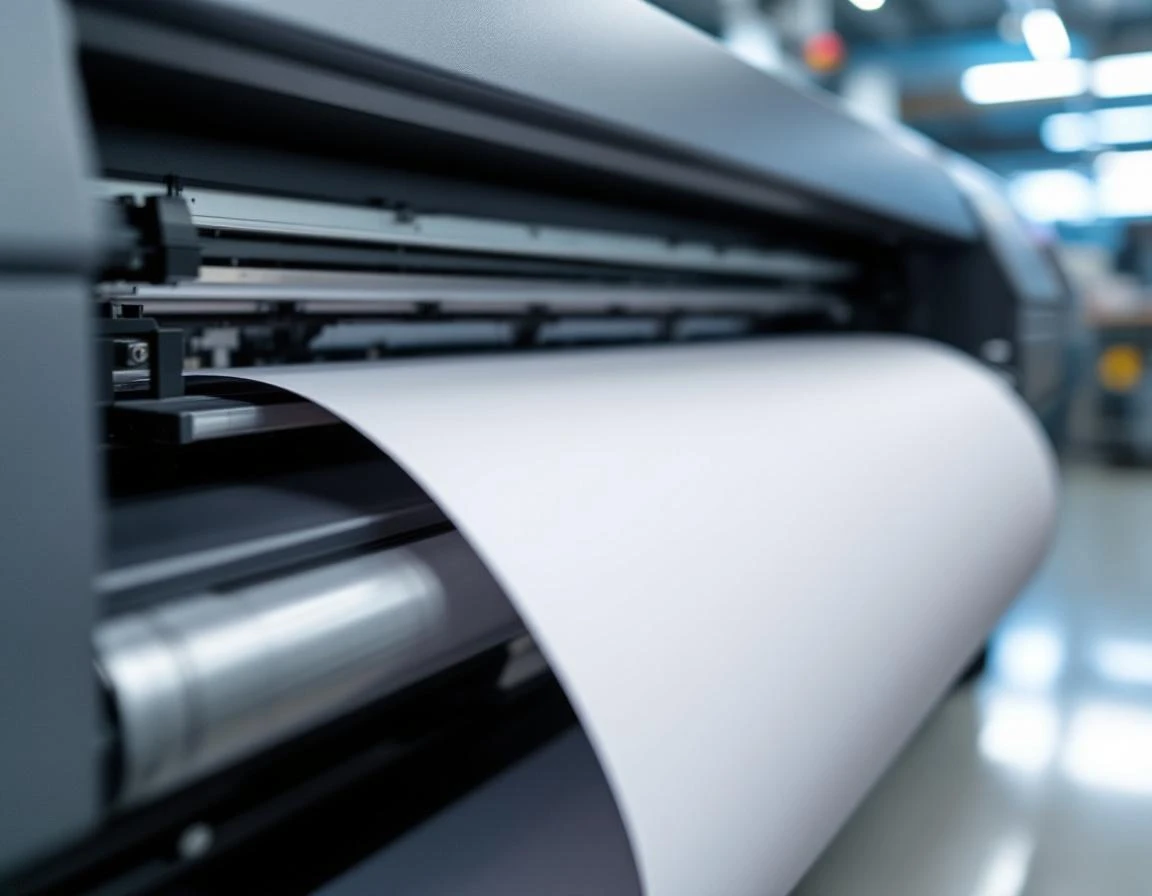
Production inkjet presses run 400-600 feet per minute compared to offset’s cycle of makeready, printing, and cleanup—letting print shops process more jobs per shift without adding headcount. A mid-sized PSP running two shifts can handle 8,000 to 12,000 variable-data mailers daily on a single inkjet line, where the same volume on offset would require three presses and multiple operators managing plate changes.
Uptime reliability drives revenue per square foot. Inkjet systems eliminate plate mounting, fountain setup, and color registration delays, reducing changeover time from 30-45 minutes to under two minutes. This matters when your queue holds dozens of short-run jobs—you turn work faster, shrink customer turnaround from days to hours, and free floor space for additional revenue-generating equipment instead of backup presses covering downtime.
Production Inkjet Technology Profitability: ROI Framework and Payback Timeline
When presenting inkjet printing ROI for print businesses to your finance committee, start with equipment acquisition cost. Most mid-sized production inkjet presses represent a major capital investment. Leasing spreads the cost across multiple years with predictable monthly payments, while purchase requires upfront capital but avoids interest expenses.
Calculate monthly savings by subtracting inkjet per-impression costs from your current offset or toner expenses, then multiply by monthly job volume. A shop running high-volume impressions monthly with per-impression cost advantages can reach break-even within an 18–36 month timeframe depending on financing structure.
Build sensitivity analysis by modeling volume fluctuations. If your job mix shifts toward higher-margin work, payback accelerates. If volume drops measurably, payback extends proportionally. Use your actual job volume data from the past 12 months to create three scenarios—conservative, expected, and optimistic—that show leadership how different outcomes affect the investment timeline.

Implementation Roadmap Q2-Q3 2026
PSPs ready to capitalize on the production inkjet benefits PSPs thesis should begin vendor evaluation in May 2026. Targeting equipment installation by August. This 90-day timeline allows for demonstrations from multiple vendors. Staff training on new workflows, and thorough testing before migrating production jobs. Negotiate service agreements that include on-site training, preventive maintenance schedules, and consumable cost guarantees to protect your ROI projections.
Start migration with the following job categories:
- Short-run marketing collateral
- Transactional documents
These applications minimize customer risk while building operator confidence with variable data workflows and substrate handling. Reserve offset capacity for long-run publications until your team masters inline finishing and quality control protocols. Clear customer communication about turnaround improvements and expanded customization options positions the technology shift as a service upgrade rather than operational disruption.