
Why Local Fulfillment Beats Distance-Based Delays
Running a multi-location retail operation means choosing between centralized warehouses that handle volume at the cost of delivery speed, or distributed fulfillment partners that keep inventory closer to customers.
Local fulfillment reduces delivery time by positioning inventory near customers
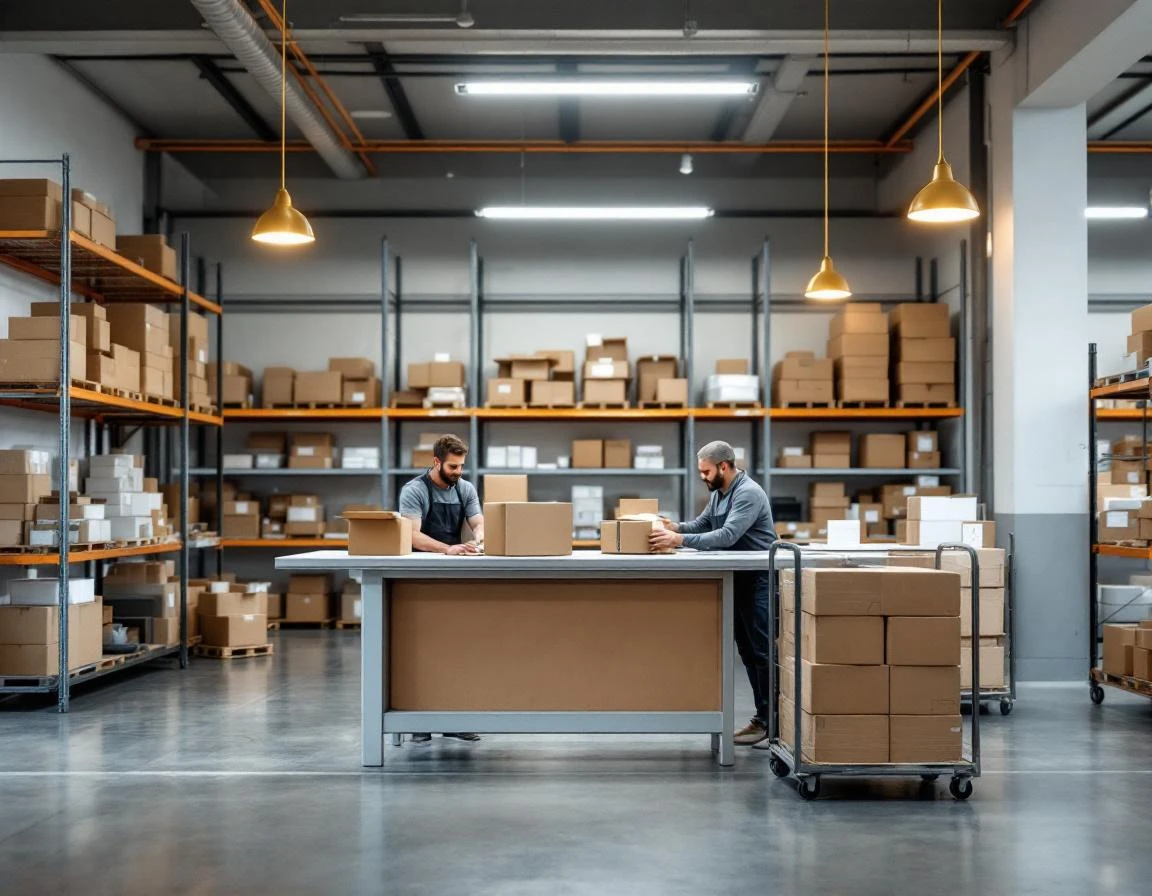
Large fulfillment centers are strategically placed across the U.S., but these warehouses create a delivery floor of 3-5 days for most regions due to geographic distance. A package leaving a Phoenix fulfillment center headed to Vermont simply has more ground to cover, even with optimized carrier routing.
Independent retailers using distributed pack-and-ship networks flip this model. By fulfilling orders from local hubs—storefronts already embedded in neighborhoods—they cut transit time to 24-48 hours. A customer in Milwaukee ordering from a retailer that partners with a local pack-and-ship store receives their package faster than the same item shipped from a distant warehouse.
Speed difference becomes competitive advantage
During the May-August peak season, customers shop for gifts, school supplies, and summer needs with tight delivery windows. Local fulfillment through pack-and-ship stores turns proximity into a competitive edge. Orders shipped from neighborhood hubs arrive in 1-2 days, while packages from distant mega-centers still sit in transit.
Hyper-local fulfillment eliminates the distance penalty that centralized warehouses face. A customer in Portland receives their order faster from a fulfillment partner three miles away than from a facility in Nevada, regardless of carrier speed tier selected.
Cost Structure: Local Advantage for Independent Retailers
Pack-and-ship stores work differently than traditional fulfillment services. You pay only for what you use—materials, labor, and carrier rates at the counter—with no storage fees or monthly minimums.
Independent retailers processing weekly orders in the mid-market revenue range can reduce fulfillment costs by working with local pack-and-ship partners instead of managing self-fulfillment or outsourcing to large logistics companies. The savings come from elimination of long-term contracts, volume commitments, and hidden handling fees that accumulate on monthly invoices from distant warehouses.
When shipping label printing, boxing, and carrier pickup all happen at the same neighborhood location, handling labor drops. No receiving department to staff. No warehouse space to heat and secure. Local pricing structures stay transparent—you pay for materials and time, not administrative overhead built into per-unit fees.
For retailers preparing for the summer selling season, these cost differences matter. Savings redirected from fulfillment expenses can fund marketing campaigns or carry deeper inventory during peak months. Local partners scale with your volume without penalty clauses or minimum shipping requirements.
Customer Experience as Loyalty Engine
When you fulfill orders through a local pack-and-ship store, customers can ask questions at the counter, watch their items get packed correctly, and leave with tracking numbers in hand.
This face-to-face interaction creates repeat business that automated fulfillment cannot replicate. A customer who learns proper bubble wrap techniques for ceramics returns when they need to ship glassware. Someone who discovers dimensional weight pricing through counter conversation saves money on their next shipment by choosing better box sizes. These conversations happen naturally during checkout—no hold times, no ticket systems, just immediate help from someone who remembers previous orders.
Independent retailers using local fulfillment hubs turn shipping transactions into relationship-building opportunities. Customers who receive personalized carrier recommendations or real-time packaging updates become word-of-mouth advocates. During peak summer selling season, when shipping volume rises and customer expectations climb, this direct touchpoint reduces returns by catching packing errors before boxes leave the counter. The local store becomes the known solution for shipping needs, not just the closest option.
How Local Fulfillment Works
Running a retail operation means deciding whether to handle fulfillment in-house, outsource to a distant warehouse, or partner with local stores already equipped to pack and ship. Here’s how local fulfillment stacks up:
- Enrollment: No barriers—start whenever you’re ready
- Pricing: Pay per order, no long-term contracts
- Carrier choice: Select USPS, UPS, or FedEx for each shipment based on real-time rates
- Customer data: You own all order and customer information
- Special handling: Rush deliveries and custom packaging handled at the counter
Independent retailers maintain complete brand control, pricing autonomy, and direct access to customer data throughout the fulfillment process. When an order requires overnight delivery or specialty packaging, the retailer communicates directly with the pack-and-ship location handling that specific shipment.
Multi-carrier access through neighborhood hubs allows retailers to optimize shipping decisions by order type, destination, and weight. A three-pound package heading cross-country might ship via USPS Priority Mail, while a twenty-pound local delivery uses UPS Ground. Retailers using local partners can adjust carrier selection order-by-order based on current rate comparisons and delivery requirements.
Integrated POS systems at pack-and-ship stores handle the technical handoff between retailer order management platforms and carrier shipping systems. When an order arrives at the fulfillment location, the POS system generates shipping labels, calculates accurate costs based on real-time carrier rates, and processes billing without manual data entry. See how ParcelPuffin helps pack-and-ship stores manage orders across multiple retailers—it’s the kind of POS integration that makes distributed fulfillment practical.
Getting Started with Local Fulfillment Partners
Setting up fulfillment partnerships now gives you time to test workflows, compare carrier performance, and refine the process before your busiest selling season.
Here’s how to evaluate local partners: Start by identifying pack-and-ship stores in your region that can handle your current weekly order volume, whether that’s 50 or 500 orders. Visit each location to evaluate their counter operations, carrier integrations, and capacity during busy periods. Ask about their POS system’s ability to generate shipping labels across multiple carriers and track order status in real time.
Audit your current fulfillment costs and delivery times to establish a baseline for comparison. Calculate your average cost per order, including labor, packaging materials, and carrier charges. Track delivery times from order placement to customer receipt. These numbers become your performance benchmarks.
Confirm rates now. Local partners offer per-order pricing without contracts, but you’ll want commitments locked in before summer volume hits. Test with 10-20% of your orders first, measuring delivery speed, packaging quality, and customer satisfaction. Scale based on performance metrics, not assumptions. ParcelPuffin’s integrated platform helps pack-and-ship stores manage multi-retailer fulfillment workflows. Making them better partners for distributed order processing.
Measuring Success: Metrics That Matter
How do you know whether local fulfillment is actually working for your store? Track these three things.
Start with delivery speed. Measure the days from order placement to customer delivery for your local fulfillment channel versus your previous baseline. Target 24-48 hours for neighborhood fulfillment compared to the 3-5 days typical of centralized warehouses. Track this weekly to identify carrier performance issues or partner capacity constraints.
Monitor cost per order by dividing total fulfillment expenses by order volume. Include packing materials, labor, and carrier fees. Compare this metric against your previous fulfillment model—you should see 30-40% reduction as consolidated handling at local stores eliminates duplicate touchpoints and hidden fees.
Customer loyalty shows up in repeat order rates and direct feedback. Track the percentage of customers placing multiple orders within a quarter. As face-to-face interactions and faster delivery build trust, this number should climb above your previous retention baseline.
Watch for consistent pickup schedules, accurate packing, and quick responses to your questions. Schedule a mid-year review in July or August 2026 to analyze these metrics and adjust your fulfillment mix before holiday season demand arrives. Learn how to track delivery speed, cost per order, and partner reliability—the metrics that show whether your fulfillment strategy is actually working.