
Pricing Opacity Damage to Loyalty
When customers can’t understand your pricing, they question whether they’re paying fairly — and that uncertainty erodes trust faster than any service mistake. For pack and ship stores, printing services, and retail operations handling multiple revenue streams, transparent pricing pack ship print store operations become the foundation of customer loyalty.
Hidden fees and inconsistent quotes erode
A customer quoted one price for a package on Monday receives a different invoice on Wednesday. The damage isn’t the gap between expectations and reality—it’s the uncertainty that follows.
Hidden fees and inconsistent quotes erode customer trust faster than service quality issues because they create doubt about every future transaction.
Multi-service stores face unique perception gaps. When the same counter handles packing supplies, FedEx shipments, printing, and mailbox rentals, customers struggle to understand why pricing varies. Without visible pricing logic, they assume markup rather than cost variation.
Service complaints spike 3-5x when customers feel
Service complaints spike three to five times higher when customers feel blindsided by final costs at checkout. The pricing surprise triggers a defensive reaction that turns small concerns into formal complaints. In small markets where word-of-mouth dominates local reputation, pricing friction compounds quickly as frustrated customers share experiences with neighbors and business contacts, creating reputation damage that outlasts the original transaction.
Unified POS System Selection Framework
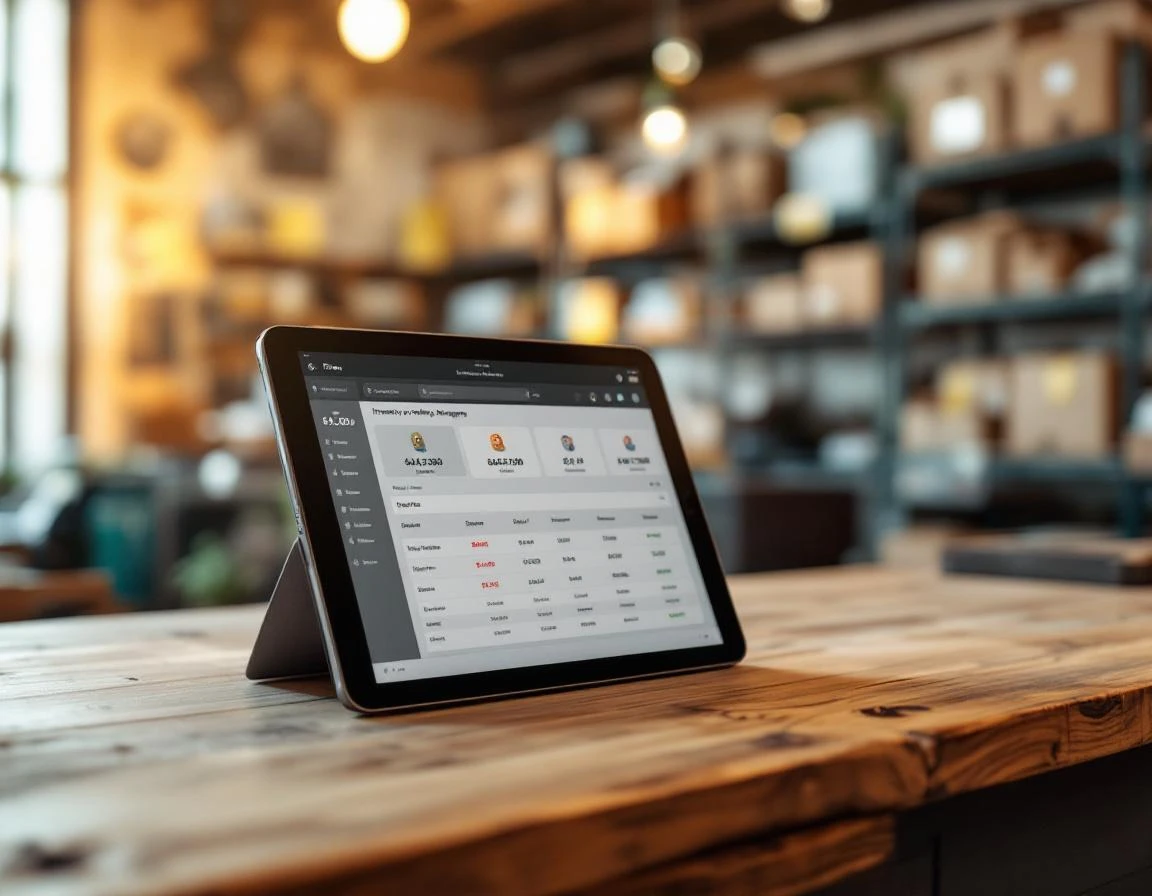
The difference between a unified POS system and a collection of separate tools becomes obvious when a customer asks for a quote on shipping a 15-pound box with packing materials. A unified platform designed for pack-and-ship operations calculates the box cost, bubble wrap, dimensional weight surcharge, and carrier fee in real time, displaying each line item on the screen before the customer pays. Cobbled-together systems require manual lookups, mental math, and quote adjustments that introduce errors and create the pricing opacity customers distrust.
A unified POS system for pack and ship stores integrates directly with USPS, UPS, and FedEx rate engines, eliminating the manual quote-adjustment cycle. When a store associate enters package dimensions and weight, the system queries carrier APIs, applies current rates, adds material costs from your inventory, and presents an itemized breakdown. The customer sees exactly what they’re paying for: the box, packing materials, dimensional weight adjustments, and shipping charges all listed separately. Multi-service billing requires this level of line-item transparency at checkout and on receipts.
Unified systems consolidate packing, shipping, printing, and mailbox revenue into one reconciliation workflow. End-of-day reports show revenue by service type without manual spreadsheet work. Stores that implement by early May position themselves for peak summer shipping season with transparent systems already trained and live, giving staff 90 days to master the platform before volume increases.
Itemized Pricing Communication Templates
The difference between a pricing complaint and a satisfied customer often comes down to how you present the charges. A single-line receipt reading “Shipping” tells customers nothing about where their money goes. Transform that same receipt into itemized clarity: “Box Materials | Packing Labor | Weight-Based Shipping (Priority Mail) | Insurance | Tracking.” Customers see the logic instantly.
Your in-store signage should display base pricing alongside surcharge triggers. Post visible charts showing weight bands, material costs for different box sizes, and rush fees for same-day service. Clear pricing communication small business retail operations require this visibility before customers reach the counter—transactions move faster and complaints drop.
For phone quotes, train staff with a consistent script: “Your Priority Mail package includes shipping, a box, professional packing, and optional insurance. Your representative will provide a total quote, as well as a price without insurance coverage.” Send confirmation emails or text messages immediately after phone quotes to eliminate surprise invoice moments when customers arrive for pickup.
Receipt templates matter just as much as verbal explanations. Every charge needs its own line: box cost, packing labor, weight-based shipping rate with service level, insurance, and any add-on services. Customers who see pricing logic before paying file fewer complaints because they understand exactly what they purchased. Building trust through transparent pricing requires breaking down all applicable fees and charges in customer-facing materials.
90-Day Rollout for Q2 Growth
The stores that improve customer loyalty shipping store operations most effectively are the ones that complete implementation before their busy season begins. For most pack-and-ship stores, that means finishing deployment by mid-May, which gives you four to six weeks to identify and fix communication friction before summer shipping volume peaks in late June and July.
- Weeks 1-2: Audit Phase. Document every pricing inconsistency across your service lines. Record how different staff members quote the same services. Note where customers ask clarifying questions or express confusion at checkout. Identify which services generate the most complaints about unexpected costs. This audit becomes your baseline for measuring improvement.
- Weeks 3-4: Selection and Configuration. Choose a unified POS system that supports itemized receipts for all your services. Configure templates that break down shipping, materials, labor, and fees as separate line items. Build pricing rules that staff can apply consistently, regardless of who’s working the counter.
- Weeks 5-6: Training and Deployment. Train every team member on the new system and pricing communication standards. Deploy signage that explains your pricing structure. Practice quoting complex multi-service orders until the process feels natural.
- Weeks 7-12: Measurement Phase. Track complaint resolution time, average time-to-close for service inquiries, and customer satisfaction scores on pricing transparency. Stores that reduce service complaints independent shipping store operations through this timeline by June consistently report measurable increases in repeat customers and positive reviews during the high-volume summer window, when pricing clarity matters most.
Measuring Loyalty and Complaint Reduction
After implementing transparent pricing and a unified POS system. Store owners need objective data to validate the business impact. The metrics that matter most fall into two categories: complaint reduction and customer retention. Track complaint resolution time. The percentage of complaints that relate specifically to pricing, and the repeat complaint ratio (customers who complain more than once). For retention, monitor your repeat transaction rate, average customer lifetime value, and net promoter score (NPS) gathered through simple post-transaction surveys.
Modern POS systems generate these metrics automatically through built-in dashboards. ParcelPuffin’s platform provides pricing accuracy reports and service margin visibility without manual spreadsheet work, eliminating guesswork about what’s driving customer behavior. The system tracks every transaction detail, making it easy to identify patterns in pricing-related complaints versus service issues. Using shipping analytics allows businesses to transform operational data into actionable insights.
Use a simple 90-day measurement framework: establish your baseline in late March before deployment, conduct a checkpoint review at week six, and complete final measurement in late June. Compare April baseline data against July actuals to demonstrate ROI.
This comparison validates the direct connection between transparent pricing execution and measurable improvements in loyalty and complaint reduction, giving you concrete evidence to justify the POS investment to your team.