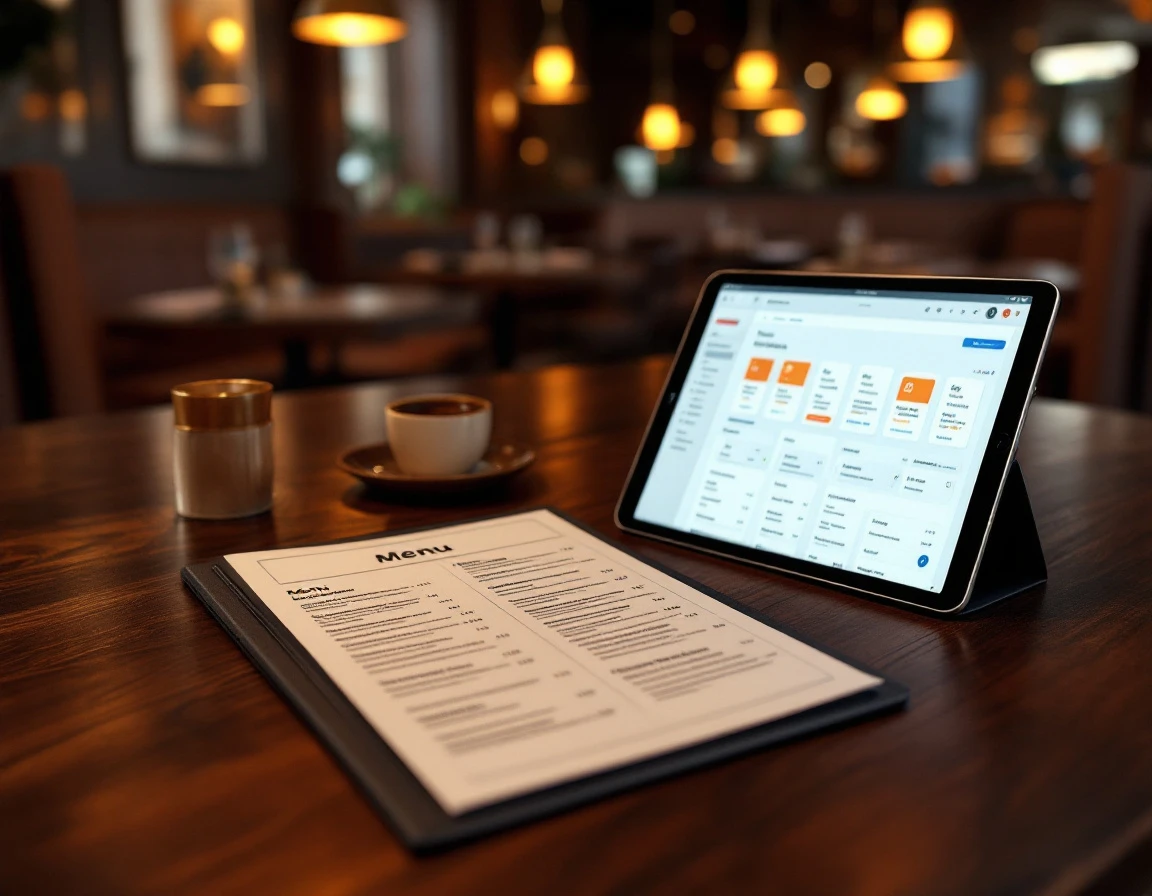
The Menu Update Problem Print Shops Face
Print shop owners who serve restaurant accounts face a recurring challenge: customers request menu updates faster than traditional workflows can handle. When a restaurant needs same-day menu reprints for pricing changes or seasonal adjustments, the lack of integrated systems forces shops to choose between manual coordination or losing the order. For your restaurant clients, delayed menu updates mean lost sales opportunities. But here’s the opportunity for your shop: when you deliver same-day menu reprints reliably, restaurants view you as essential to their operations—not just a vendor they call when they need printing. That reliability justifies premium pricing and builds recurring revenue. A restaurant menu printing software solution can address these delays by automating the intake and production process.
Pack-and-print shops that work with restaurant accounts know the pressure: a client calls Tuesday morning needing updated menus for Wednesday service, but your intake process still relies on phone calls, email attachments, and manual inventory checks. Without a unified system, coordinating design changes, confirming paper stock, and scheduling production eats up hours—time you don’t have. Design files live in one system, inventory counts in another, and order history in a third—if it’s tracked digitally at all.
Digital-first competitors have spotted this gap. Some print shops lose restaurant accounts because their workflows can’t keep up with how restaurants operate today. A unified POS system that handles order intake, inventory checking, and design management in one place changes that dynamic.
How Integrated POS Transforms Menu Workflows
An integrated POS system replaces the fragmented phone-email-fax workflow with a unified digital intake process. A restaurant submits a menu update through your POS interface. They specify drink names, prices, and design preferences in a single form—no email chains, no phone tag. Your system captures everything at once. Design teams get a complete job packet instead of hunting through email threads. That’s where speed comes from. Restaurant menu printing software built into your POS eliminates these coordination gaps.
The system immediately checks real-time inventory data to confirm paper stock availability. If the restaurant’s preferred cardstock is in stock, the order moves forward. If not, the system suggests available alternatives with matching weight and finish, eliminating the guesswork that caused delays when shops had to physically check shelves or wait for supplier confirmations.
Design teams receive pre-populated work orders with customer specifications, existing menu templates, and brand guidelines already attached. Instead of recreating layouts from scratch or hunting through email threads for logo files, designers open a complete job packet. When the restaurant approves the proof, pricing updates sync automatically to the production queue and the restaurant’s own POS system without manual data re-entry.
This automated workflow lets you promise and deliver 24-hour turnaround for restaurant menu updates. A client calls Monday morning; they have printed menus Tuesday evening. That speed becomes a signature of your shop—the capability that restaurants rely on and willingly pay premium rates to access. Each hand-off happens through the system rather than through phone calls, eliminating the communication gaps that create delays and errors in traditional workflows.
Real-Time Inventory Visibility
Manual inventory counts create blind spots that lead to overselling and missed revenue. You know the scramble: a restaurant calls for same-day menu printing, and you need to physically check your paper stock while they wait on the phone. Integrated POS systems eliminate that friction. Real-time inventory tracking shows you exactly what’s in stock before you commit to a delivery date.
The system tracks stock levels by paper type, weight, and finish, triggering alerts when quantities drop below preset reorder thresholds. Production teams receive notifications before running out of premium cardstock or specialty paper, giving them time to restock before accepting orders they cannot fulfill. This visibility prevents the scenario where a customer places a rush order only to discover the shop lacks materials to complete it.
Real-time tracking also reduces carrying costs by replacing guesswork with data. Instead of ordering excess inventory to avoid stockouts, print shops maintain leaner stock levels based on actual consumption patterns. The POS system provides historical usage reports that reveal which paper types move quickly and which sit untouched for months, allowing shops to allocate capital more effectively.
Pricing and Promotion Updates Without Reprints
When your restaurant clients adjust prices in their own systems, those changes sync automatically to your menu templates. No design rework. No approval delays. Your shop produces updated menus with current pricing already embedded. This automation eliminates the manual coordination that traditionally slowed you down and limited how many restaurant accounts you could serve profitably.
Flash promotions and margin adjustments become operationally feasible because restaurants avoid the waste of reprinting full inventories for minor changes. Instead of running partial batches that generate scrap and outdated stock, print shops produce only what’s needed with current pricing. This responsiveness builds restaurant loyalty by turning pricing flexibility from an operational burden into a competitive advantage.
Competitive Advantages for Print Shop Operators
Print shops that deliver reliable 24-hour turnaround for restaurant menu updates become the natural choice for customers who need that service. It’s not about being the only option—it’s about becoming the preferred partner because you solve a real operational problem your customers face repeatedly. Integrating POS systems positions your shop as the viable option for restaurants that need rapid turnaround without compromising print quality. This service differentiation creates a defensible competitive position that digital-only competitors can’t replicate—physical proximity and automated fulfillment workflows combine to deliver what restaurants value most: reliability within 24 hours.
The business impact extends beyond single transactions. Restaurants update menus far more frequently than most print shops realize. Seasonal ingredient changes, weekend specials, and competitive pricing adjustments create weekly or biweekly reorder patterns. What looks like a one-time order becomes recurring revenue when the print shop proves it can handle rushed requests without requiring advance notice. Each successful delivery reinforces the relationship, transforming the print shop from a transactional vendor into a strategic partner the restaurant depends on for operational agility.
Your existing team handles more orders without growing headcount. When you automate scheduling, digital proofing, and inventory checks, you eliminate the manual coordination that used to bottleneck your capacity. A team processing ten custom orders per week can reliably handle twenty or thirty because the system orchestrates workflows instead of you doing it manually. Restaurants value reliability above price. When you consistently deliver 24-hour turnaround, they treat your shop as a business partner, not a commodity vendor. That partnership lets you build service agreements with predictable margins instead of competing on price alone. While commodity printing competes on price alone, integrated print shops capture margins by delivering speed and consistency that justify higher rates.
Implementing Same-Day Menu Printing at Your Shop
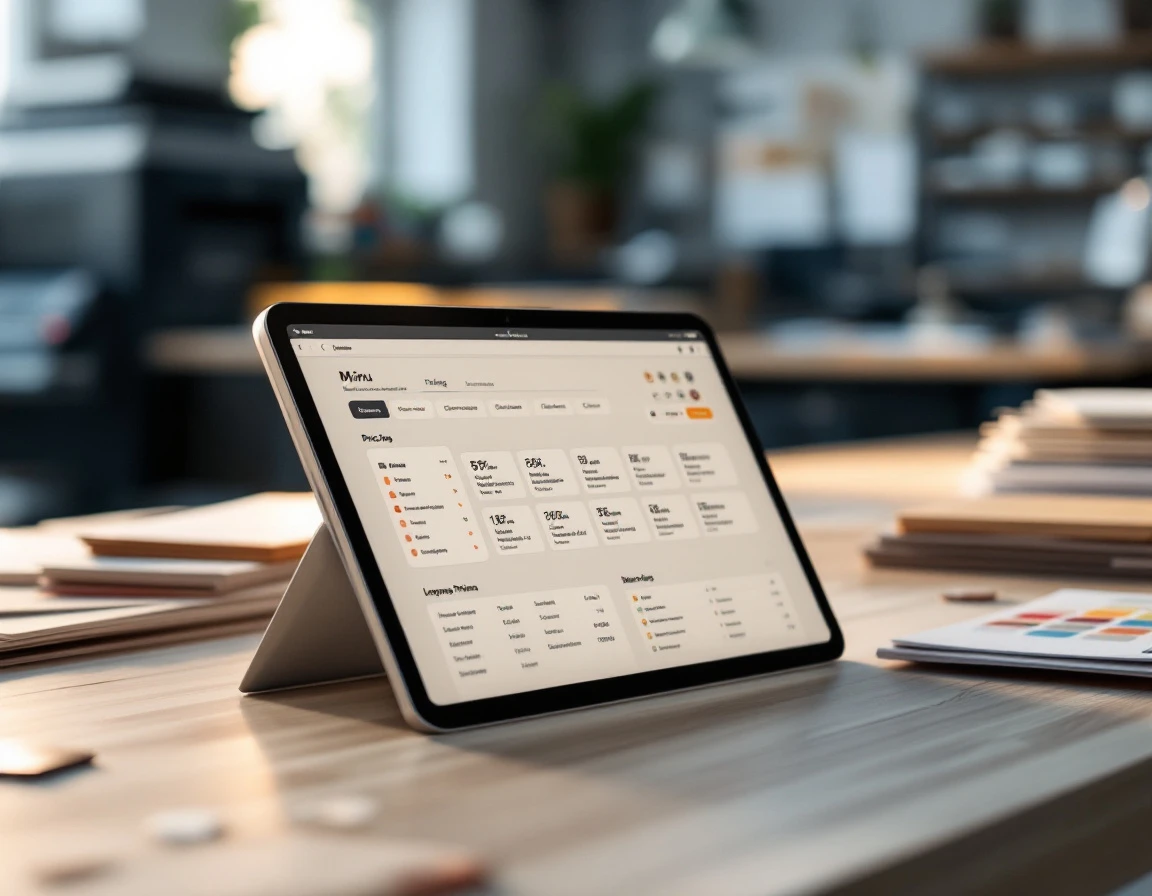
Choosing the right POS system sets the foundation for fast menu turnaround. Print shops need software built for custom orders, not generic retail transactions. Look for systems that include the following key features:
- Design template library
- Real-time inventory tracking for paper stocks and finishes
- Mobile order intake so restaurant clients can submit updates from their phones
ParcelPuffin’s POS platform includes these features specifically for pack-ship-print operations, reducing the setup friction that generic systems create.
Define your service model before onboarding the first restaurant client. Establish a baseline 24-hour turnaround for standard menu orders submitted before your daily cutoff time. Add premium rush pricing for requests that arrive after the cutoff or need delivery within four hours. This two-tier structure captures urgent orders without training clients to expect instant service for standard pricing.
Restaurant onboarding takes 15-20 minutes when your POS includes pre-built menu templates. Walk the client’s marketing contact through the order interface: show them how to select their configured template, update pricing or descriptions, and confirm their default paper stock. Upload their logo and brand colors once during setup, then future orders pull those assets automatically. This brief training session prevents repetitive support calls and positions your shop as easy to work with.
Track these early-stage metrics as you refine your operation:
1. Order volume by restaurant account—identify high-frequency clients ready for volume discounts
2. Inventory turn rates for your most common menu stocks—optimize reorder timing and reduce carrying costs
3. Margin by account—spot clients whose custom requests justify premium pricing or those ready for tiered service agreements
Monitor these metrics to identify which restaurant accounts drive the most value for your operation.