
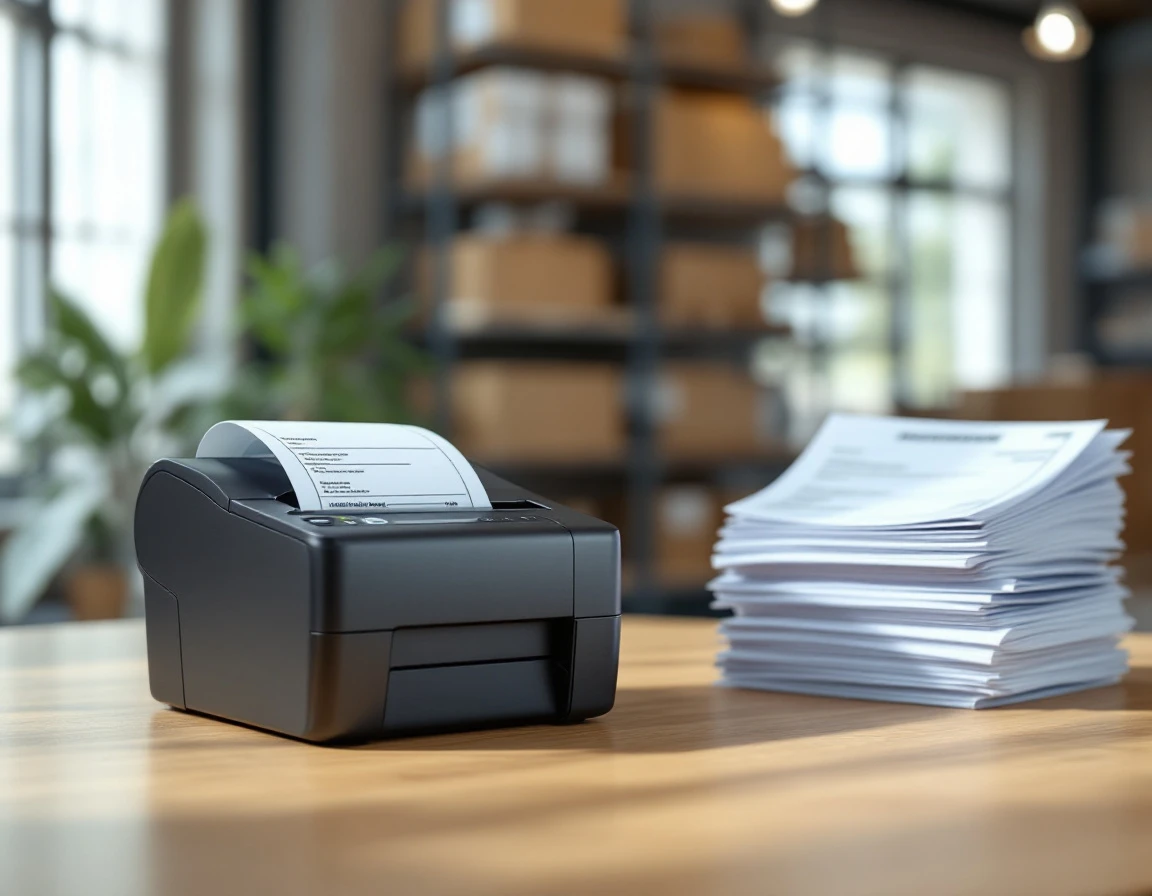
Manual Customs Form Completion Bottleneck
For mid-market shippers processing 50 or more international shipments each week, manual customs form completion consumes between 8 and 12 labor hours weekly. That time adds up quickly: staff members toggle between carrier portals, reference HS code directories, verify shipper details against customer records, and hand-key recipient addresses into form fields. When a clerk mistypes an HS code or enters an incorrect country of origin, the error often goes undetected until the package reaches customs inspection. Automated customs documentation eliminates this manual process entirely by pulling shipping data directly from your POS and populating forms in real time.
Manual data entry introduces error-prone processes that automated systems mitigate through systematic verification and standardization.
Mistakes in HS classification, shipper tax ID numbers, or declared values trigger compliance delays that hold cargo at the border. A single misclassified HS code can delay delivery by three to seven days while customs agents request corrected documentation.
Those delays frustrate customers, strain carrier relationships, and generate rework that compounds the original time investment.
The financial impact for businesses shipping internationally stems from direct labor costs tied to form completion, error correction cycles, and customer service hours spent managing delayed shipments. These costs compound during peak shipping months, when reliance on manual processes necessitates training temporary staff on complex customs requirements—a situation prone to costly mistakes under time pressure.
How Autonomous Document Generation Works
When a customer ships an item internationally, the automated customs documentation process starts immediately at your point of sale. Your POS system captures product details, destination, and package weight as part of the normal checkout flow. Instead of printing a packing slip and setting the shipment aside for later customs form entry, the system triggers document generation in real time.
Real-time API integration pulls shipping data directly from your POS system to auto-populate customs forms. The software extracts product descriptions, quantities, values, and shipper information without requiring staff to re-enter anything. As the label prints, the corresponding CN22 or CN23 customs form generates simultaneously with all required fields completed.
Machine learning validates HS codes and shipper details against customs rules automatically. The system cross-references product descriptions against harmonized tariff databases to assign correct classification codes. It flags prohibited items for specific destinations and verifies declared values fall within acceptable ranges for the shipment type. These validation checks happen in seconds, catching errors before the package leaves your counter.
Multi-carrier compliance for customs form automation international shipping means forms meet USPS, FedEx, and UPS customs requirements simultaneously. Each carrier has specific formatting requirements for customs documentation. The software generates carrier-specific form layouts while maintaining the same underlying data. Whether your customer chooses USPS Priority Mail International or UPS Worldwide Expedited, the correct customs paperwork exports directly to the carrier in the format they require. No manual intervention needed.
Labor Cost and Error Rate Reduction
For mid-market shippers processing multiple international shipments weekly, the hours spent on manual customs documentation represent a real operational burden. Burdened labor rates—accounting for wages, benefits, and overhead—make manual form completion a recurring drain on resources. Automated customs documents and form generation eliminate this recurring expense by pulling shipping data directly from your POS and populating customs forms in real time.
The labor hour savings represent only part of the business case.
Manual customs documentation is vulnerable to errors stemming from incorrect HS code selection, missing product details, or value declaration mistakes. Each error triggers a customs hold that delays shipments, leaving your customers facing late deliveries, lost sales opportunities, and damaged trust.
For your operation, errors mean refund requests, rework time, and customer service calls that eat into margins.
Automated validation drops error rates below 1% by cross-referencing product data against carrier-specific requirements and regulatory databases before submission. When a shipment clears customs on the first attempt, your on-time delivery performance improves and costly exception handling disappears. Stores preparing for summer peak season — when international volume climbs and every labor hour counts — gain the most immediate benefit from this transition.
The combined impact of labor reduction and error elimination creates a compelling financial case. A single operator handling 200 international shipments monthly reclaims meaningful time while virtually eliminating the compliance delays that damage customer relationships. That operational improvement flows directly to your bottom line without requiring additional staff or extended hours during high-volume periods.

Implementation Roadmap
Mid-market shippers preparing for June peak season need their customs automation operational by late May—before summer volume hits. That means starting vendor selection and implementation in early April to capture the labor savings when they matter most.
Select a vendor with proven multi-carrier customs compliance and direct API integration with your POS system. The software should support USPS, UPS, FedEx, and DHL documentation requirements, provide real-time HS code lookup during transaction entry, and maintain compliance audit trails for CBP review. ParcelPuffin integrates with leading customs automation platforms, allowing your existing POS data to flow directly into customs forms without manual re-entry.
Budget three weeks for full deployment:
- Week 1 focuses on API integration setup and connecting your POS transaction data to the customs platform.
- Week 2 involves mapping your product catalog fields—descriptions, materials, country of origin—to customs documentation templates and running test shipments. Process 10-15 international orders through the system to verify HS code accuracy and carrier-specific formatting before full rollout.
- Week 3 transitions to full deployment across all international shipments. Staff training during this week covers how the system populates forms automatically and when manual review is needed. By Memorial Day, your automation should handle the documentation workload that previously consumed 8-12 weekly labor hours, positioning your operation to absorb June peak volumes without adding headcount.
Vendor Evaluation Checklist
Before selecting a customs document generation software vendor for June peak season, evaluate these capabilities that separate functional platforms from ones that create bottlenecks. Start with multi-carrier integration: your system must generate compliant forms for USPS, FedEx, and UPS without manual reformatting, since each carrier requires different documentation layouts and field specifications.
Must-have features include:
- Automated HS code validation that pulls from real-time tariff databases, keeping product classifications current with regulatory changes.
- POS integration through API connections that creates audit trails linking every customs form to its source transaction, protecting you during compliance reviews.
- Compliance reporting that tracks form completion rates and flags errors before submission.
Nice-to-have features worth evaluating: bulk processing for high-volume days, shipper profile templates that store frequently-used customer data, and direct carrier submission that pushes completed forms straight to carrier systems. Responsive customer support matters when customs regulations change mid-season and you need answers quickly.
Deployment Success Metrics
Track three metrics to validate your customs automation investment:
- Weekly labor hours — Start by measuring before and after deployment. Most mid-market shippers see an 8-12 hour reduction once automation handles form population. Extract this data by comparing time logs from your POS workflow reports during a typical shipping week.
- Customs declaration error rate — Monitor by pulling rejection data from carrier dashboards and comparing it to your pre-automation baseline. Successful deployments drop error rates from 15-20% down to under 1%, which you’ll see reflected in fewer customs holds and expedited clearance times.
- Customs hold frequency and resolution time — Measure using carrier tracking data. Before automation, holds often require manual intervention and customer follow-up. After deployment, track how many shipments clear customs on first submission and how quickly any exceptions get resolved through your system’s validation alerts.
Next Steps and Seasonal Readiness
The window to deploy customs automation before summer shipping volume is closing. Mid-market shippers processing 50+ international orders weekly should begin vendor research and POS integration assessment in April to meet a June launch timeline. This preparation window allows your team to evaluate multi-carrier support, test API connections with your existing systems, and confirm that the automation platform handles your specific product catalog and destination countries.
May should focus on testing automation with pilot shipments. Run 20-30 sample orders through the new system to catch configuration issues—incorrect HS code mappings, formatting problems with specific carriers, or missing product attributes that prevent auto-population. These test runs reveal gaps before peak season traffic arrives, when your team won’t have time to troubleshoot.
Deploy full automation by early June to capture labor savings on summer volume surge.
The 40% reduction in labor costs and 95% error reduction deliver maximum value when order volume climbs.
Request a demo of ParcelPuffin’s shipping and customs integration features to see how automated customs documentation handles your carrier mix and product types, or contact a customs documentation vendor for a consultation on deployment timelines specific to your current infrastructure.