
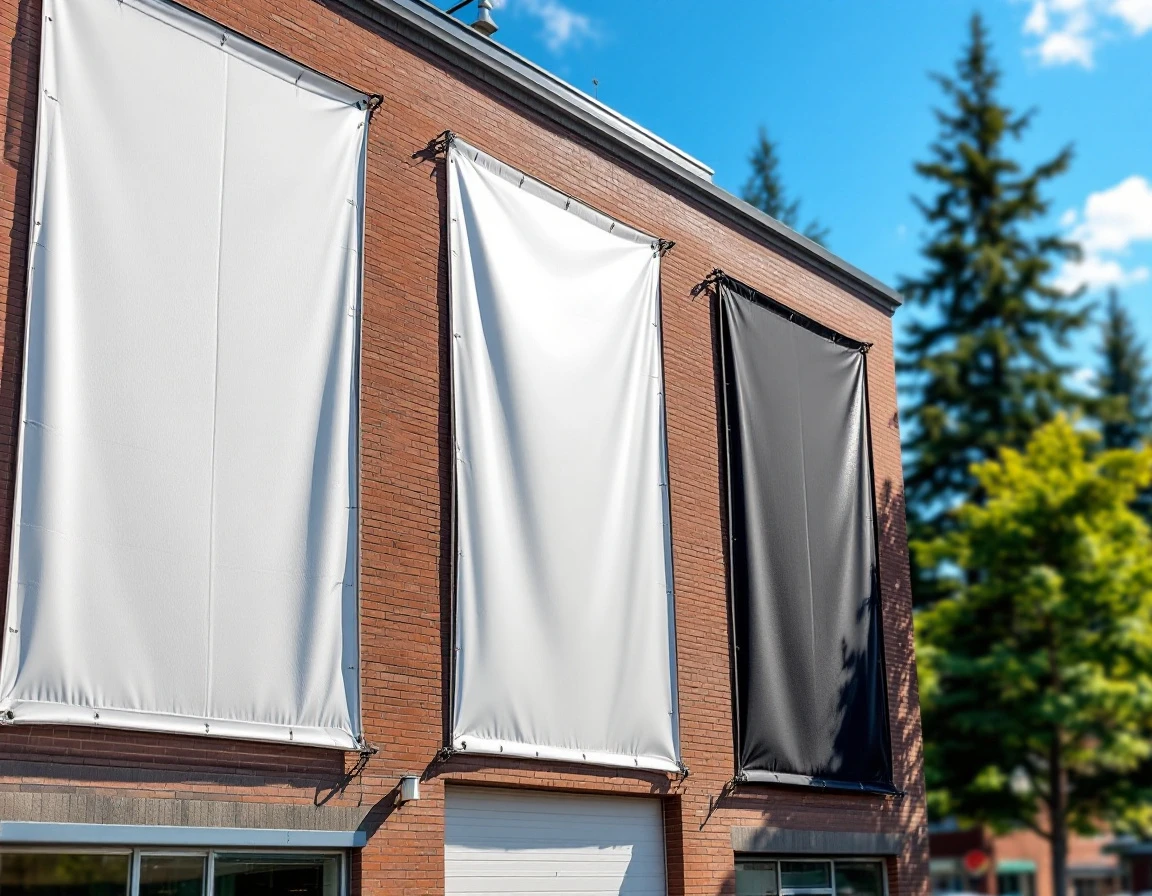
Summer Event Signage Demand
May through August brings peak outdoor event season, when festivals, grand openings, political campaigns, and community gatherings create concentrated demand for outdoor banners for events. Print shops see order volumes climb as event organizers compete for production capacity during the same narrow window. Waiting until late spring to place orders often triggers rush fees or forces compromises on material quality when preferred stocks run low.
Material selection affects total project cost more than most planners expect. Choosing between vinyl banner weights, corrugated plastic thicknesses, and mesh options creates meaningful pricing variation for identical dimensions. Event organizers who default to premium materials without comparing alternatives against actual weather exposure and display duration overspend on durability they don’t need. Regional printing capacity also shapes pricing—areas with fewer large-format shops charge higher rates during peak season when equipment schedules fill completely.
Outdoor Banner Materials Comparison
The material you choose determines not just upfront costs but also how your signage performs through summer weather and whether you can reuse it for future events. Three primary materials dominate outdoor banners for events, each with distinct cost structures and durability profiles that align with different event timelines.
Vinyl Banners: The Weather-Resistant Standard
Vinyl banners handle rain, wind, and direct sunlight better than most alternatives, making them the default choice for multi-week installations. Vinyl banners are available in multiple weight options and finishing configurations such as grommets or pole pockets, with pricing that varies based on these specifications and your supplier. The heavier vinyl weight resists tearing in wind but may increase shipping costs if you order online.
Vinyl requires minimal maintenance during an event and stores flat for years without degrading, which matters for annual festivals or recurring promotional campaigns. The trade-off comes in weight and portability—a full-size vinyl banner needs two people to hang properly, and wrinkles from storage require time to relax in sunlight before the material looks professional again.
Fabric Banners: Premium Appearance for Visible Locations
Fabric banners deliver a refined appearance that photographs better for social media and marketing materials while remaining competitively priced. The woven polyester construction allows air to pass through, reducing wind load and making fabric banners safer for unsecured outdoor installations. Their lightweight design simplifies setup for street festivals or farmers markets where vendors handle installation themselves.
Fabric wrinkles less in storage and resists fading better than vinyl under prolonged sun exposure. However, fabric absorbs moisture and takes longer to dry after rain, which can cause sagging on display frames during humid weather or multi-day outdoor events.
Corrugated Plastic Yard Signs: Budget Option for Short Events
Corrugated plastic signs offer an economical alternative to vinyl for yard signage, providing good value without the higher cost per square foot. These lightweight signs work well for directional signage, parking instructions, or vendor booth markers at weekend events. They install quickly with wire stakes and stack flat for transport and storage. Yard signs for summer events offer quick deployment without extensive setup requirements.
The durability ceiling sits around four to six weeks of continuous outdoor exposure before sun fading becomes visible and edges start to curl. For one-day festivals or three-day weekend markets, corrugated plastic delivers professional appearance at a fraction of banner costs, especially when you need multiple signs across a venue.
Matching Material to Event Duration
Short events spanning one to three days favor corrugated plastic for cost efficiency and simplified logistics. Summer installations lasting eight weeks or longer justify vinyl or fabric investment, with vinyl preferred for unsecured locations and fabric chosen when appearance drives marketing value. A summer concert series running twelve weekends gets better value from outdoor banners for events used repeatedly than buying disposable materials for each event.
Vinyl Banner Materials & Costs
Vinyl banners dominate outdoor event signage because 13 oz vinyl delivers reliable weather resistance at accessible price points. This industry-standard weight withstands wind, rain, and sun exposure across multi-day events, while reinforced grommets prevent tearing at stress points where banners attach to frames or posts.
Pricing typically ranges from $0.40 to $0.65 per square foot depending on your region and print complexity. A standard 10×3 ft banner costs $45–$75 before add-ons. Expect higher costs for rush production (adds $15–$30), custom Pantone color matching (adds $10–$20), or premium edge sealing that extends lifespan by preventing fraying.
Vinyl carries lower upfront costs than fabric alternatives, and its durability makes it more economical when you’re reusing banners across multiple events throughout the summer season.
Fabric & Corrugated Plastic Options
Fabric banners offer a premium alternative to vinyl when aesthetic impact matters. Their lightweight, breathable construction handles wind better than solid materials, making them ideal for upscale outdoor weddings, corporate events, and grand openings where professional appearance justifies higher investment. Expect to pay 30–50% more than vinyl—typically $0.60–$0.95 per square foot—but the elegant drape and wrinkle-resistant qualities deliver visual polish standard vinyl can’t match.
Corrugated plastic (coroplast) sits at the opposite end of the spectrum. At 20–35% less than vinyl. These lightweight yard signs cost $12–$25 for standard 18×24-inch or 24×36-inch sizes. Nonprofits running seasonal fundraisers and small businesses promoting multiple events throughout summer find coroplast’s low entry price attractive. The material yellows under prolonged UV exposure and won’t survive harsh weather like vinyl, but it handles short-term outdoor use across several events before replacement becomes necessary—making event signage materials guide decisions clearly when you prioritize volume over longevityty.
Event Duration & Weather Exposure
A three-day corporate event needs different materials than a month-long summer festival. For short events, budget vinyl or corrugated plastic makes sense because you won’t need to store or reuse the signage. The material will last through the event, and storage costs don’t factor into your decision. You’re looking at basic vinyl without UV coating or standard corrugated plastic yard signs that serve their purpose and move on.
When your event stretches to four weeks or longer, the calculation changes. Summer festivals running through July and August face intense sun exposure that fades standard vinyl. Reinforced vinyl with UV protection adds cost upfront but prevents the faded, unprofessional appearance that forces mid-event replacement. Coastal environments introduce salt spray that degrades adhesives and weakens materials. High-wind areas require reinforced edges and higher thread counts to prevent tearing.
These weather-driven upgrades increase base material costs. A standard vinyl banner gains durability with UV coating and edge sealing. For permanent seasonal installations lasting through the peak season, premium vinyl with custom edge treatment and higher thread count justifies the investment.
Calculate whether buying budget material multiple times costs more than investing in premium material upfront. A budget banner requiring replacement partway through the season incurs unexpected expenses, while a reinforced banner withstands the full season.
Matching material grade to your specific event duration and weather exposure prevents both waste and unplanned replacement costs.
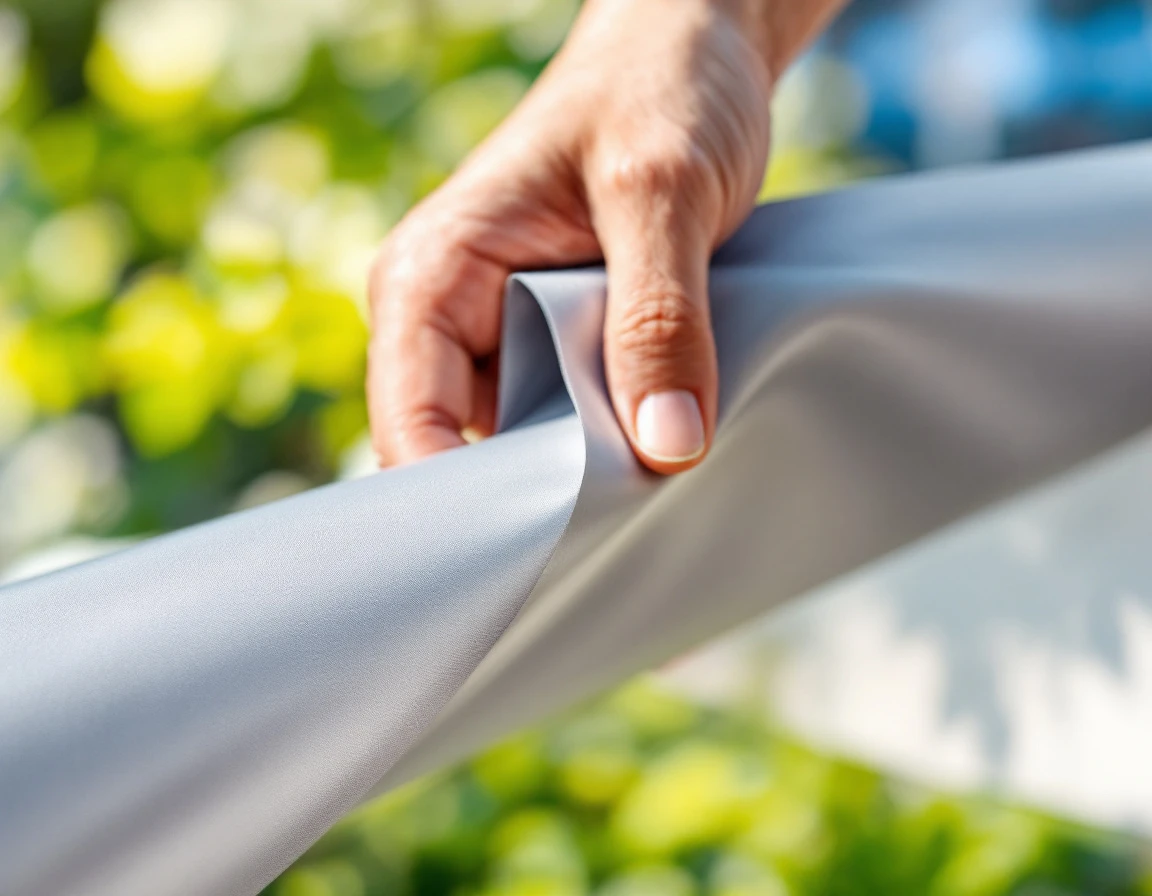
Regional Pricing & Vendor Comparison
Printing service provider density creates measurable price differences across markets. Metropolitan areas with multiple print shops competing for event business typically offer lower base pricing than smaller markets with limited competition. This geographic variation matters when planning summer event budgets.
May represents the pricing sweet spot for outdoor banner ordering. Providers offer early-bird discounts for orders placed before the peak summer demand season begins. A vinyl banner quoted at standard rates in May may carry premium pricing during the summer rush as shops prioritize high-value clients and apply capacity surcharges.
Request quotes from at least three local providers before committing. The same 10×3-foot vinyl banner with grommets and hemmed edges varies in price across vendors, with quotes ranging from budget-friendly to premium options. These differences reflect equipment costs, volume discounts from material suppliers, and individual pricing strategies rather than quality variations.
Hidden costs inflate final invoices beyond base printing rates. Consider the following when requesting vendor quotes:
- Rush fees add $25–$50 when orders arrive less than five business days before needed dates
- Art revision charges appear when designs require multiple adjustment rounds ($15–$30 per revision)
- Expedited shipping pushes costs up $20–$40 for next-day delivery
- Installation labor runs $50–$150 depending on banner size and mounting complexity
Create a pricing checklist capturing base printing, rush fees, design revisions, shipping method, and installation needs when requesting vendor quotes. This transparency reveals the 20–30% savings potential that early planning and vendor comparison unlock.
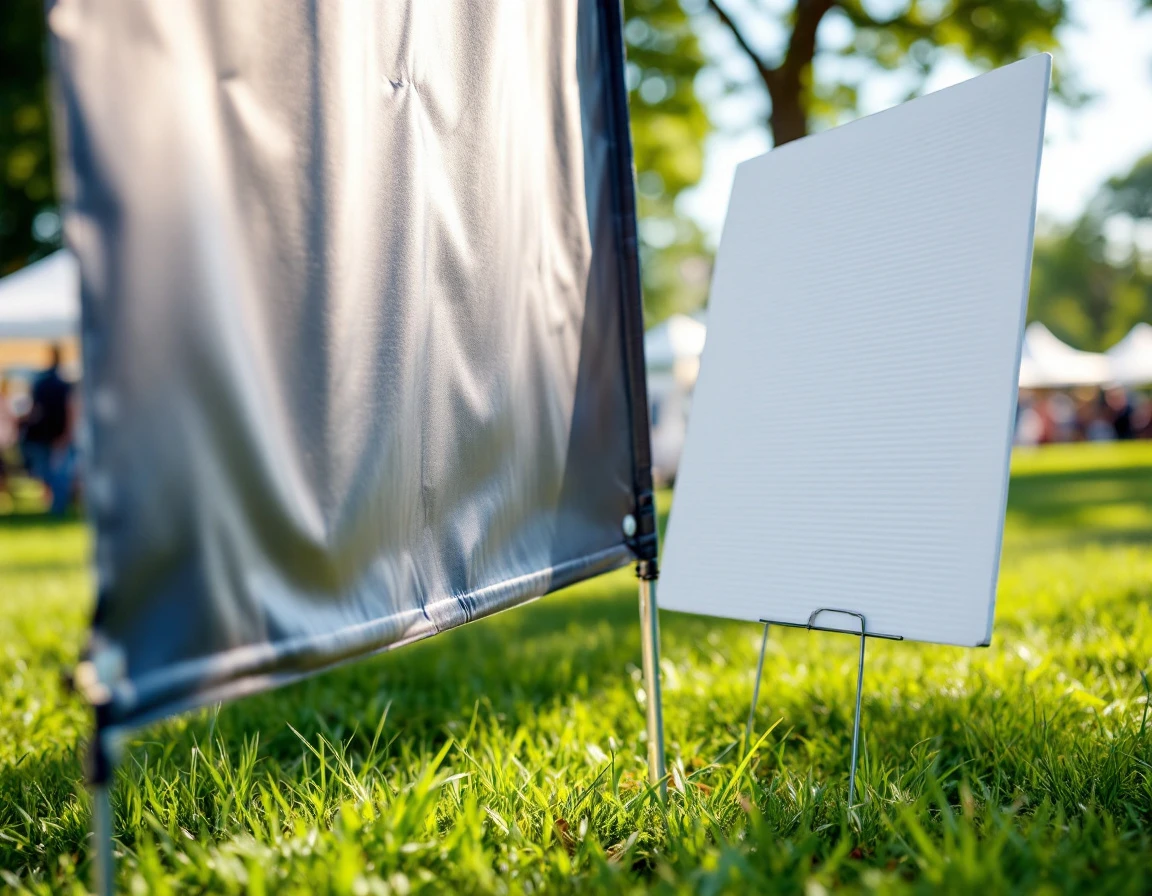
Decision Checklist & Next Steps
Before contacting print vendors, evaluate four critical factors:
- Event duration (single day versus multi-week)
- Weather exposure (direct sun, wind conditions)
- Budget constraints
- Whether you’ll reuse signage for future events
A three-day outdoor market tolerates corrugated plastic signs, while a six-week summer concert series justifies vinyl banners that survive rain and wind.
Request quotes from at least three local print shops. Ask each vendor to specify material weight (13 oz versus 15 oz vinyl), provide a complete pricing breakdown showing base printing, grommets, hemming, and shipping separately, confirm rush fees for tight deadlines, and offer physical samples of their standard materials. Verify production timelines align with your setup date—many shops require seven to ten business days during busy summer months.
Watch for hidden costs that inflate final invoices. Some vendors quote attractive base prices but add charges for color matching, design revisions beyond two rounds, or premium grommets. Ordering by early May positions you to negotiate early-bird discounts and lock in capacity before peak demand drives up both prices and turnaround times. Using this custom outdoor signage for events framework helps you compare quotes accurately and avoid budget surprises.
Ready to compare options? Contact local printing service providers for free estimates using this framework. Specify your event dates, expected weather conditions, and material preferences to receive accurate quotes that prevent budget surprises.