
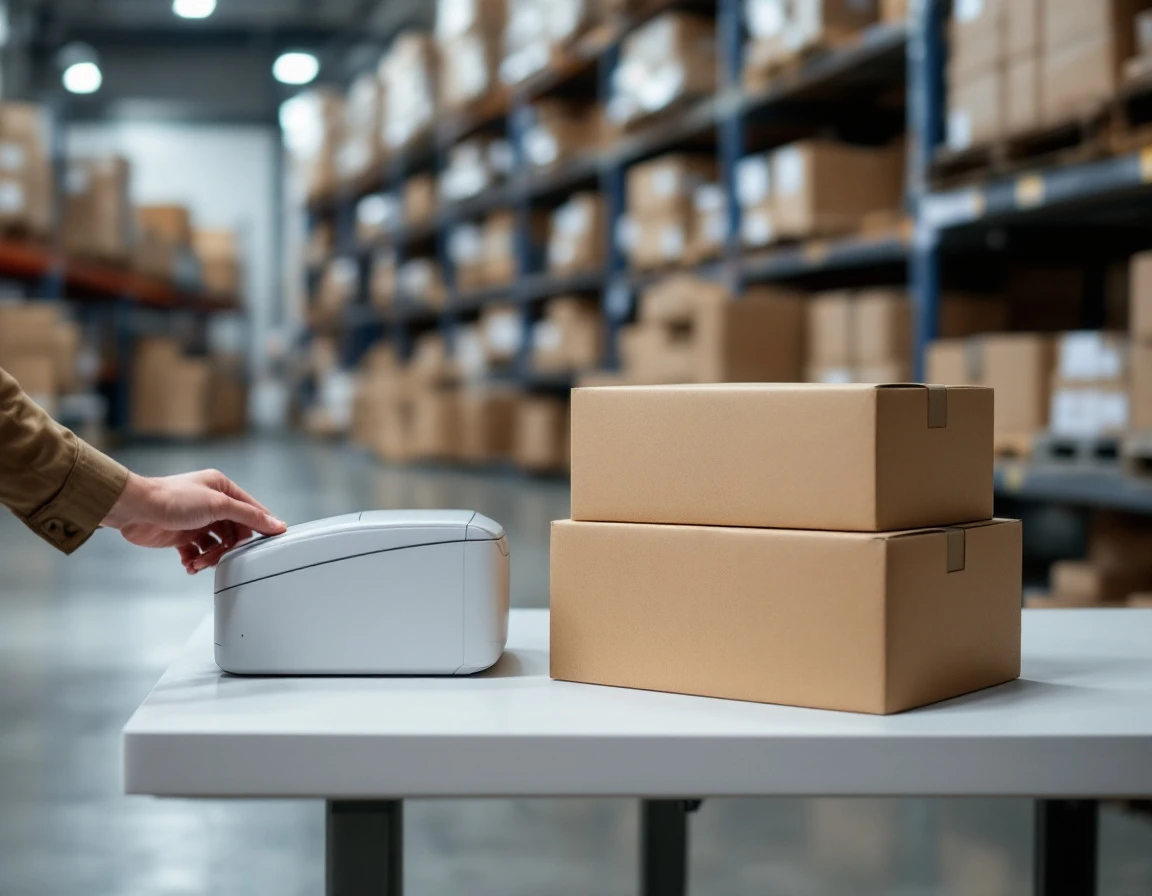
Manual Processes and Hidden Labor Costs
Small retail and shipping operations typically spend 8 to 15 hours per week re-entering order data when their POS and shipping platforms don’t communicate. A 15-person store running disconnected systems faces constant toggling between screens—capturing customer details in the POS, then manually typing the same address, SKU, and quantity into the shipping platform. This dual-entry workflow is one of the most direct ways to reduce operational costs retail shipping teams face, yet many operations overlook the true expense hidden in manual processes.
This dual-entry workflow creates predictable errors. Manual re-keying produces address mistakes, wrong item quantities, and incorrect dimensional weight entries that trigger carrier chargebacks and customer complaints. Staff then spend additional hours correcting shipping labels, processing refunds, and managing rework that shouldn’t exist in the first place.
The labor cost compounds during peak seasons. Retailers hiring temporary workers for Q4 rushes find new employees particularly prone to data-entry mistakes, which increases training time and supervision requirements. June offers the ideal window to audit current manual workload, calculate the true hourly cost of duplicate entry, and identify which integrated platform will eliminate this friction before holiday volume arrives.
Automation Features That Cut Labor: Reduce Operational Costs Retail Shipping
Once you understand where manual processes drain time, the next step is targeting those bottlenecks with specific automation features. Integrated POS-shipping systems eliminate the three largest labor sinks that disconnected tools create.
POS-to-shipping data sync removes duplicate order entry entirely. Customer information, package dimensions, and delivery addresses flow directly from the transaction screen to the label printer. A mid-sized retailer processing 200 shipments daily saves roughly 90 seconds per order by eliminating re-keying—approximately 500 hours annually. This POS automation workflow efficiency directly translates to reduced operational costs.
Real-time inventory sync across sales channels prevents overselling before it happens. When inventory updates simultaneously across your counter, website, and marketplace listings, you avoid the labor of issuing refunds, contacting customers, and sourcing replacement stock.
Automated carrier rate selection compares USPS, UPS, and FedEx pricing at checkout and prints labels without manual lookups. Batch shipping tools and pre-populated customs forms handle peak-season volume without adding staff hours. ParcelPuffin’s platform connects these features directly to your transaction flow, turning what used to require multiple systems into a single workflow. Integrated retail and shipping software eliminates the friction that kills profitability during high-volume periods.
Cost Audit Worksheet and ROI Calculation
Start by calculating your current manual process costs. Track the hours spent on shipping tasks like label creation, rate comparison, and order re-entry. Multiply those hours by your average labor rate. The time your team dedicates to manual shipping workflows represents real labor expenses that could be redirected elsewhere.
Next, add hidden costs: time spent correcting shipping errors, overtime during peak periods, and lost margin from incorrect carrier selection or dimensional weight penalties. A single misrouted package requiring rework consumes 15-20 minutes of labor plus the customer service time to resolve complaints. Understanding how to cut shipping costs small business requires accounting for these invisible drains on profitability.
Apply typical first-year automation savings to your operational costs. For a store managing manual shipping processes, automation recovers money previously spent on labor-intensive tasks. Implementing in June means capturing full value through Q3 back-to-school volume and the critical Q4 holiday peak when every saved hour compounds across hundreds of daily shipments.

Implementation Timeline for Q3 Peak Season
A June start positions your new system for full operational capacity by September, well ahead of the October-November shipping surge. Dedicate the first two weeks of June to system evaluation and pricing negotiation, followed by two weeks for onboarding setup. Use July for staff training and importing historical customer and product data. August becomes your soft-launch period — run the new system parallel to your existing workflow to identify and resolve issues before they matter. September 1 marks full go-live, giving you battle-tested processes when volume spikes.
This phased approach means your team enters peak season confident with the platform, not scrambling to troubleshoot while the counter is backed up. For guidance on maintaining carrier flexibility during implementation, see our multi-carrier rate strategy post.
Peak Season Margin Protection Strategy
September through December brings three to five times normal order volume for most shipping stores — the exact moment when manual carrier rate selection and label printing bottlenecks destroy margins. Integrated systems eliminate these choke points by automatically comparing carrier rates at checkout and routing each package to the most cost-effective option, preventing margin bleed when staff are too rushed to run manual comparisons.
Real-time inventory synchronization stops oversell errors that spike during high-volume weeks, when tracking stock across multiple sales channels manually becomes impossible. Staff shift from repetitive data entry to customer service and problem-solving — work that reduces turnover during your most stressful weeks and directly improves customer experience when it matters most. Workflow automation for small retailers transforms how teams operate under pressure.
This operational advantage means you capture the full revenue upside of peak season without hiring additional counter staff. Learn how automation multiplies your existing team’s capacity rather than replacing them.
Next Steps: Request a June Implementation Demo
June represents your final opportunity to evaluate, implement, and optimize an integrated system before Q3 inventory build begins and Q4 peak season arrives. Delaying until autumn means missing critical setup, training, and testing windows — pushing your go-live to January instead of September readiness.
ParcelPuffin’s integrated platform eliminates the three core bottlenecks outlined earlier: manual order re-entry, disconnected inventory systems, and time-consuming carrier comparisons. Stores that implement now position themselves to capture 20-35% cost reduction in year one. With the majority of savings realized during September-December peak shipping months.
Request a demo today and discuss a June-September implementation timeline aligned with your operation. Your peak season margins depend on the decisions you make this month.