
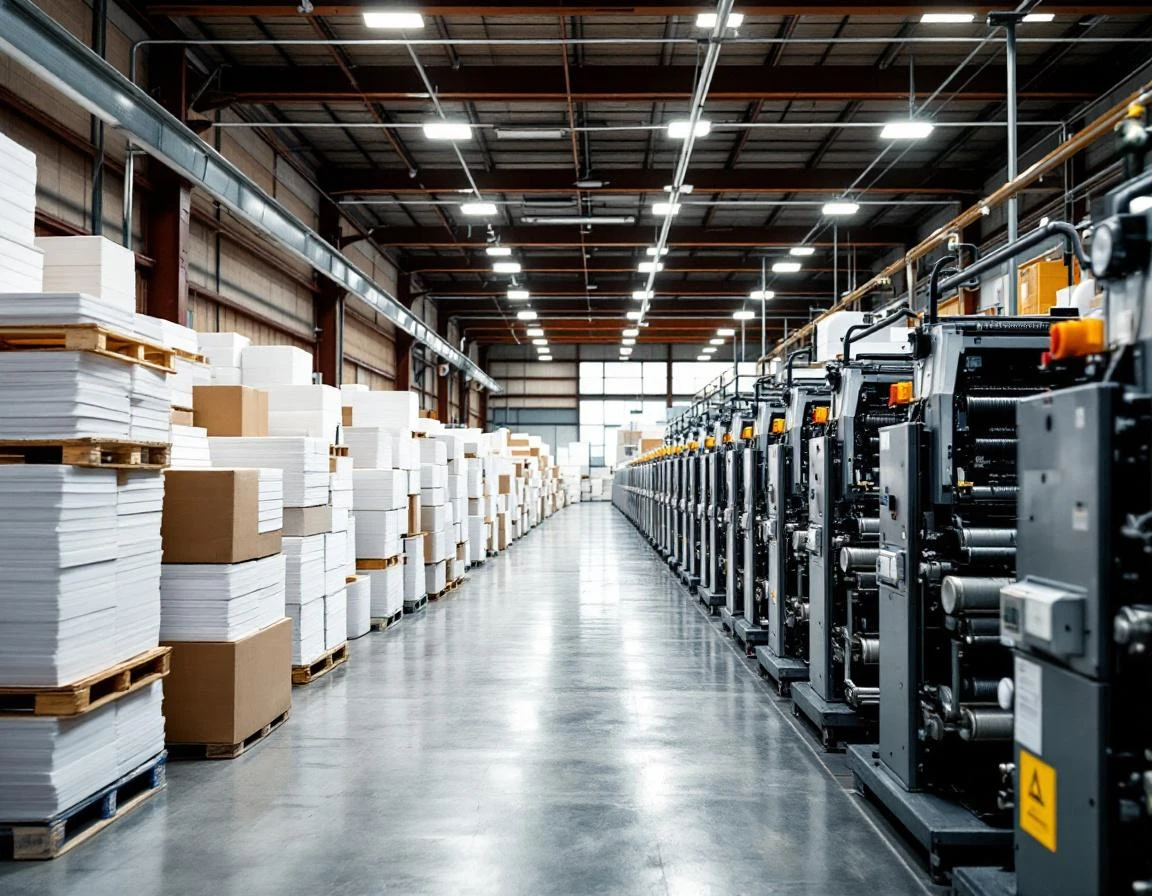
Why Print Shops Miss Tariff Refund Opportunities
Print shops often overlook a recovery opportunity: refunds on tariffs you’ve already paid on imported equipment and supplies. If you brought in printing presses, specialty inks, or binding equipment from overseas suppliers and paid customs duties at the border, you may qualify for a refund on those duties. The International Economic Emergency Powers Act (IEEPA) allows businesses to file refund claims on tariffs paid over the past three years — but April 2026 is the final deadline to submit these claims.
Your shop has likely imported wide-format printers, toner cartridges, specialty papers, or binding equipment from overseas suppliers. Each of those shipments may qualify for a refund, even though you’ve already paid the duties and received the goods. The problem: most owners assume customs duties are final once paid, or they’ve never heard of refund eligibility.
Even modest refunds per shop accumulate quickly when you calculate eligible imports over multiple years. This isn’t about future purchases. It’s about recovering money you’ve already spent on materials sitting in your shop right now.
Qualifying Imported Materials and Equipment
You’ve invested in imported printing equipment, specialty papers, and inks over the past few years. Each of those overseas purchases came with customs duties paid upfront. The refund program covers goods that physically crossed the border and had tariffs assessed — but not every item in your shop qualifies. Domestic purchases don’t count, even if the manufacturer originally imported the raw materials.
Inks and colorants: Imported toner cartridges, specialty UV inks, and bulk pigments from overseas suppliers qualify when customs classified these items at the border and you paid duties. Textile dyes follow the same rule.
Substrates and materials: Paper stocks from overseas mills, imported vinyl rolls, specialty cardstock, and binding materials fall under various customs classifications. Check your customs paperwork to confirm duties were paid on these items.
Machinery and equipment: Printing presses, wide-format plotters, laminators, die cutters, and finishing equipment imported from manufacturers abroad qualify when you paid import duties. ParcelPuffin’s inventory tracking helps you organize equipment records so customs paperwork is easy to locate.
Components and consumables: Replacement parts, print heads, imaging drums, and digital printer components count if they crossed the border as separate shipments with customs documentation.
Refund Eligibility Checklist
Use this self-assessment to determine whether your shop qualifies before investing time in the claims process.
Did you import materials or equipment between April 2023 and April 2026? Only goods physically imported during this window qualify. Domestic purchases don’t count, even if the manufacturer originally imported components.
Did you pay customs duties at import? Refunds only apply when duties were collected. If your imports qualified for duty-free entry or you received a waiver, there’s nothing to recover.
Can you locate documentation proving the import and payment? You’ll need commercial invoices, customs entry forms, and proof of duty payment. Missing paperwork blocks the claim regardless of actual eligibility. When you track all incoming supplies in ParcelPuffin, gathering import documentation for your refund claim becomes easier.
Are the items still in use or verifiably disposed of during the qualifying period? Customs requires confirmation that claimed goods weren’t resold or removed from your business before filing, protecting against duplicate claims across multiple owners.
Step-by-Step Claim Filing Process
Filing a refund claim requires four distinct stages, each with specific documentation requirements. Start with the paperwork you already have. Look for commercial invoices from your suppliers, the customs entry documents your broker provided at import, and proof that you paid the duties. These documents show exactly what crossed the border and what tariffs you paid. Most brokers file these electronically, so contact yours first — they often have copies ready to send. You can also request copies from your customs broker or retrieve them directly from CBP using your importer number.
Next, calculate the total tariff amounts paid on each qualifying transaction. Add up all duty charges listed on your entry summaries, excluding other fees like merchandise processing or harbor maintenance. Keep calculations organized by entry number and date to match CBP records exactly.
Complete the refund application form available through the CBP website. The form asks for your business information, importer number, entry details, and calculated refund amounts. Attach all supporting documentation, including entry summaries and payment receipts. Double-check that dollar amounts match across all documents.
Submit your completed claim package to CBP before the April 2026 deadline. Send via certified mail to document receipt, or file electronically if your customs broker offers that service. Processing typically takes 90 to 180 days, so file early. Consider scheduling this work during your April business review alongside your inventory audit and cash flow analysis to capture all available refund opportunities.

Calculating Your Estimated Refund
Understanding the tariff rates applied to your imports helps you estimate your potential refund amount. Standard tariff rates on printing equipment range from 2% to 15% of the import value. Depending on the specific machinery type and country of origin. A $10,000 commercial printing press from Germany assessed at 7% means you paid $700 in customs duties that may qualify for refund.
Ink and colorants typically face tariff rates between 5% and 8%. If you imported $5,000 worth of specialty UV-curable inks from Japan at 6%, that’s $300 in duties you could recover. Paper and substrates have more variation: duties range from 0% to 5% depending on paper type and origin. Coated printing paper from Europe might carry a 3% rate, while certain uncoated stocks enter duty-free.
The rate differences exist because tariff schedules classify items by their specific composition, manufacturing process, and country agreements. Review your customs entry forms to find the exact rates applied to each import, then multiply those percentages by your item values to calculate your total refund opportunity.

Documentation You’ll Need
Before filing your claim, gather four critical document types. Start with commercial invoices from your suppliers. Which show the declared value and tariff classification code for each imported item. These invoices come from the manufacturer or distributor who shipped equipment or materials to you.
Next, locate your customs entry forms—the commercial bill of lading that accompanied your shipment. Your customs broker typically provides these, or you can access them through the ACE Secure Data Portal if you filed electronically. These forms confirm what entered U.S. customs and under which classifications.
Third, pull proof of duty payment. Bank statements showing the customs charge, credit card receipts, or payment confirmations from your broker. The claim requires evidence you actually paid the tariffs being refunded.
Finally, prepare inventory records showing the imported items remain in your shop or, if disposed of, documentation explaining when and why. Internal inventory logs, equipment lists, or disposal receipts satisfy this requirement.
Act Before April 2026 Deadline
April 2026 is the filing deadline for this refund opportunity. If you’ve imported printing equipment, inks, papers, or components and paid customs duties, now is the time to gather your paperwork and file your claim. This three-year window captures thousands in potential refunds — money you’ve already spent and can recover with some documentation work.
Most print shop owners have overlooked this recovery opportunity entirely. Start organizing your commercial invoices and customs entry forms this month. Once you gather your paperwork and calculate your refund amount, you can file your claim with confidence. The deadline gives you time to do this right, but it’s worth prioritizing during your April business review. Review the documentation outlined in the previous section and prepare your CBP refund application this month.
Document your imports, calculate your refund amount, and submit your claim before the deadline. Need help organizing your import records? ParcelPuffin’s inventory tracking helps you maintain clear records of equipment and supplies — including what you’ve imported and when.