
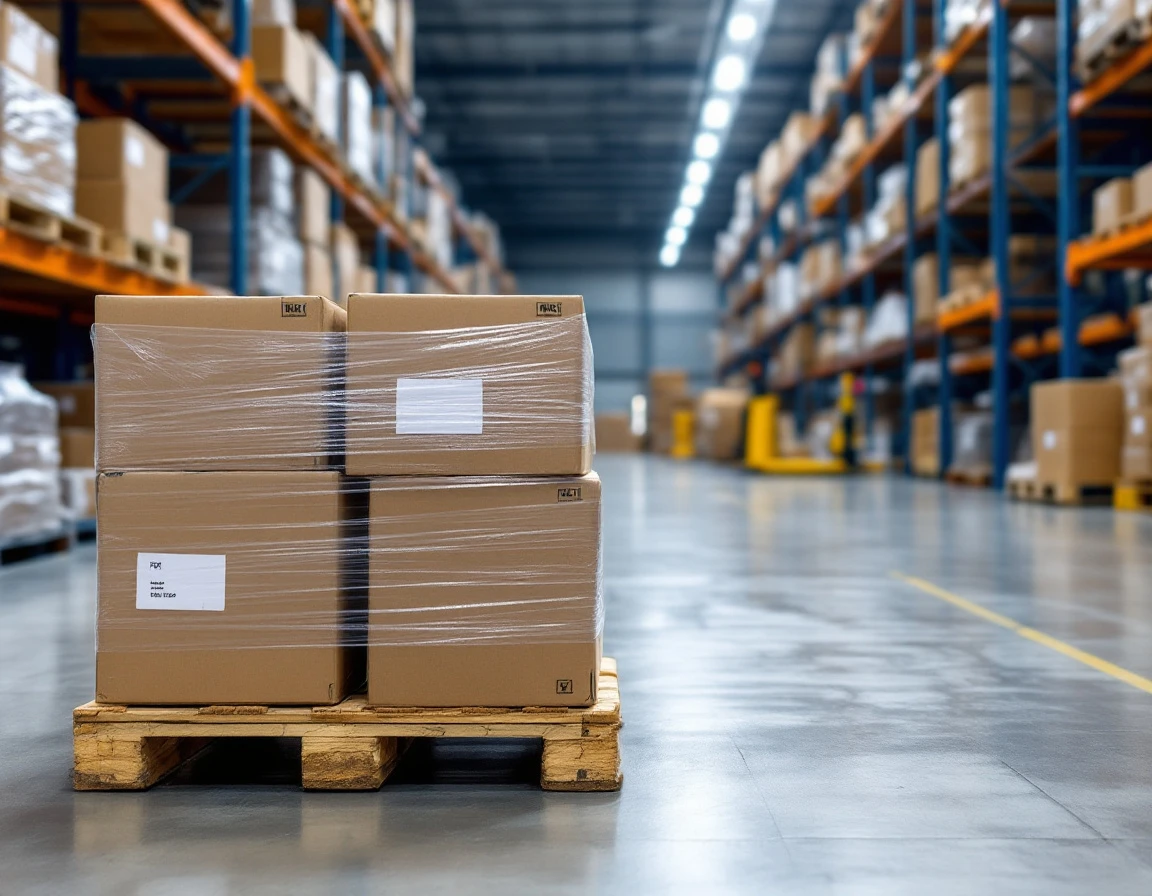
Manual Classification: Cost and Friction
Running a shipping center means constantly comparing freight class codes to get accurate quotes. Get it wrong, and carriers reject shipments weeks later—forcing you to rework quotes and explain billing surprises to customers. When staff manually classify freight, they’re stuck consulting density charts and cross-referencing codes. Errors pile up fast.
Freight Class Errors Cost You Time and Money
When a shipment gets classified incorrectly, carriers often reject the freight at pickup or issue a reclassification invoice weeks later. These disputes tie up staff in back-and-forth documentation reviews and carrier phone calls, delaying customer refunds and straining carrier relationships.
Your staff pulls out density charts, measures shipments, and looks up codes for every quote. A single transcription error then ripples through the entire shipment—from quote to billing to carrier disputes. This density calculation process slows everything down.
Shippers lose margin when quotes are rejected
When a carrier reclassifies mid-shipment, you either absorb the cost hit or have to collect more money from your customer—either way, that margin disappears.
Repeated classification mistakes damage carrier relationships beyond individual shipments. Carriers flag accounts that consistently send misclassified freight, leading to stricter inspections and slower quote approvals for future shipments. What starts as an occasional billing dispute becomes a pattern that carriers remember and respond to with increased scrutiny.
Three Autonomous Freight Class Determination Methods
Three different systems can handle freight class automatically—and the right one depends on what you ship most. Understanding how these methods work helps logistics teams choose the right approach for their freight mix and quoting workflow.
- Density-based algorithms. If you handle mostly palletized freight, density-based automation works best. Your system captures weight and dimensions, does the math automatically, and assigns the right freight class in seconds instead of having staff look it up manually. For regular shipments like boxed consumer goods on standard pallets, density calculation delivers consistent accuracy without human interpretation.
- Image recognition and barcode integration. If you ship lots of small boxes or irregular shapes, camera-based systems capture dimensions automatically as packages move through your shipping station. When a package passes through the imaging system, the technology records length, width, and height, then combines these measurements with scale data to determine class. This method suits operations handling mixed shipment types where manual measurement consumes time. Barcode scanning links dimensional data to specific orders, so the correct class applies to each line item in multi-shipment quotes.
- Real-time carrier database lookup. Real-time carrier lookup catches classification mismatches before you quote. Since each carrier has its own rules, this prevents the awkward moment when you quote one price but the carrier bills for a different class. The system queries carrier databases during quote generation, flagging discrepancies that might trigger reclassification later. This validation layer prevents quotes from reflecting theoretical correct class while missing carrier-specific requirements that matter during billing reconciliation.
Together, these three methods reduce quote turnaround time from minutes to seconds while removing the classification errors that cause carrier disputes.
Quote Accuracy and Rejection Rates
If you’re manually classifying freight, expect carrier rejections on roughly one out of every eight quotes. That means six or eight quotes each month come back with a carrier reclassification—requiring rework and customer follow-up. Your team spends four to six hours researching each rejected quote, measuring pallets and consulting density charts. By then, the customer is waiting for a price.
Automation fixes this fast. Most shipping centers see quote rejection rates drop below two percent in their first month—cutting rework time drastically.
Your POS system handles the entire classification process in under two minutes—density calculation, carrier rule checks, and final class assignment—all automatically.
The financial impact shows up in two areas. First, margin protection. Accurate class assignment from the start prevents the scenario where a shipper quotes class 85 but the carrier bills for class 125, forcing the shipper to absorb a cost difference that can reach hundreds of dollars per shipment. Second, customer satisfaction. When quotes arrive in minutes instead of hours and carrier disputes disappear, customers get reliable pricing they can build into their own sales cycles. For a store handling fifty quotes monthly, that’s six fewer rejected quotes and countless fewer carrier calls. Your staff gets back to selling and customer service instead of classification cleanup.
Integration with Quoting Systems
This integrates directly into your current quoting workflow without slowing down your counter operations. When a customer brings in a package, your POS captures dimensions and weight. Then automatically calculates the correct freight class. The system does the density math, checks current freight codes, and validates against each carrier’s specific rules in real time. That accurate class feeds directly into your multi-carrier rate shopping—so customers see accurate quotes without delays.
This integration eliminates the manual step where staff would look up freight class codes, enter classification details separately, or guess at the appropriate class based on experience. The full workflow runs automatically: capture, classify, validate, quote. Every classification gets documented—weight, dimensions, density calculation, and the exact freight code—so you have proof if a carrier questions your assignment later.
This matters most when quote rejections happen. Manual classification often triggers carrier reclassifications weeks later—invalidating your original quote and forcing you to collect extra payment from customers or absorb the cost yourself. Automation validates against carrier rules before you quote. The price you show customers matches what the carrier charges—no surprises later. So you never face that awkward conversation where you need extra money from the customer—or where you have to eat the cost yourself because the carrier classified a piece of furniture differently than you did.
Immediate Implementation Steps
Start by looking at your last month of rejections. Which types of shipments come back most often? Palletized freight, irregular shapes, or mixed boxes?
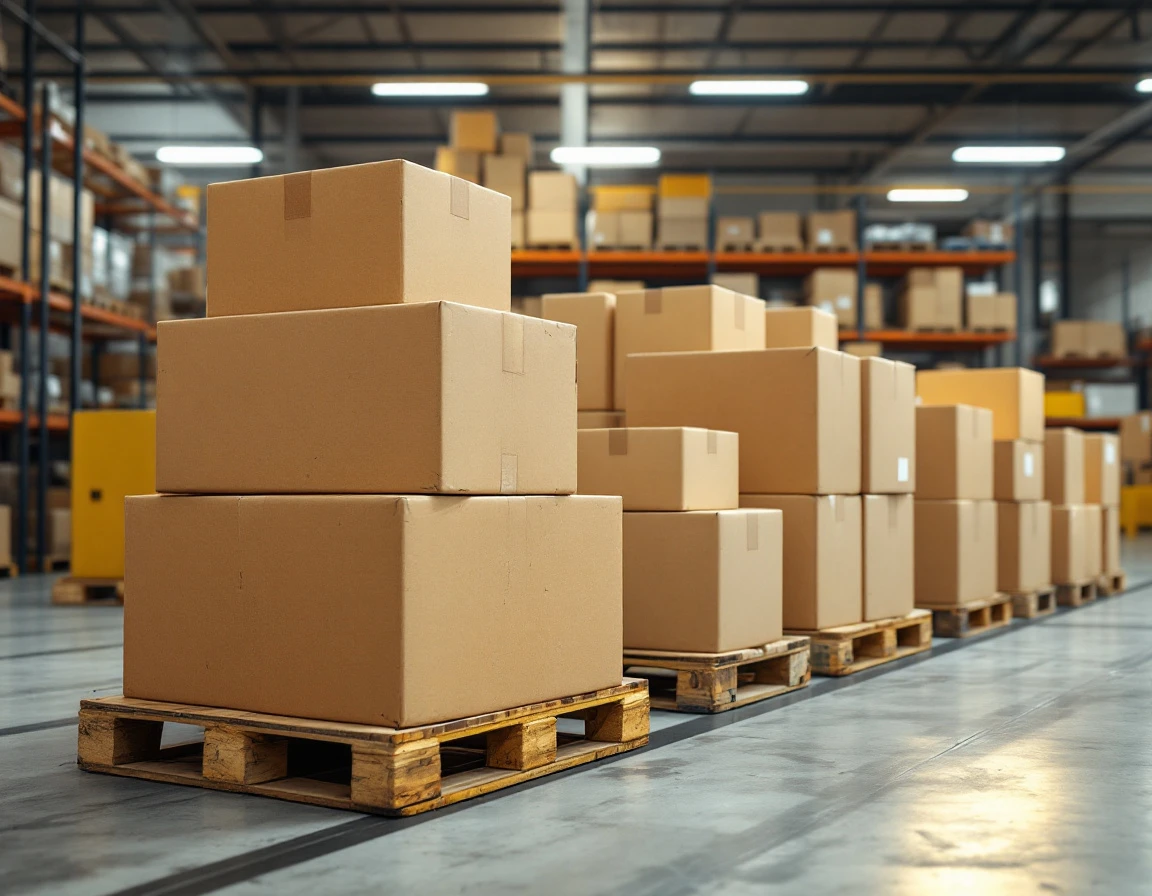
Palletized freight? Go with density automation—it’s fastest. Handling odd shapes and irregular items? Image-based systems capture dimensions more accurately than your staff’s tape measure. Pick the method that matches your rejection patterns, then integrate it alongside your current POS and shipping software—no need to replace your entire workflow. Test it first with ten to fifteen quotes that previously failed. Compare the automated classifications against your original manual work to verify accuracy before going live.
Before you go live, pick your baseline metrics: track your quote acceptance rate for one week, then monitor it for two weeks after launch. Ask carriers if they see improvements in your freight classifications, and document any billing adjustments. Most stores see their acceptance rates climb within the first month—that’s your signal that the system is working and staff can stop chasing rejections.