
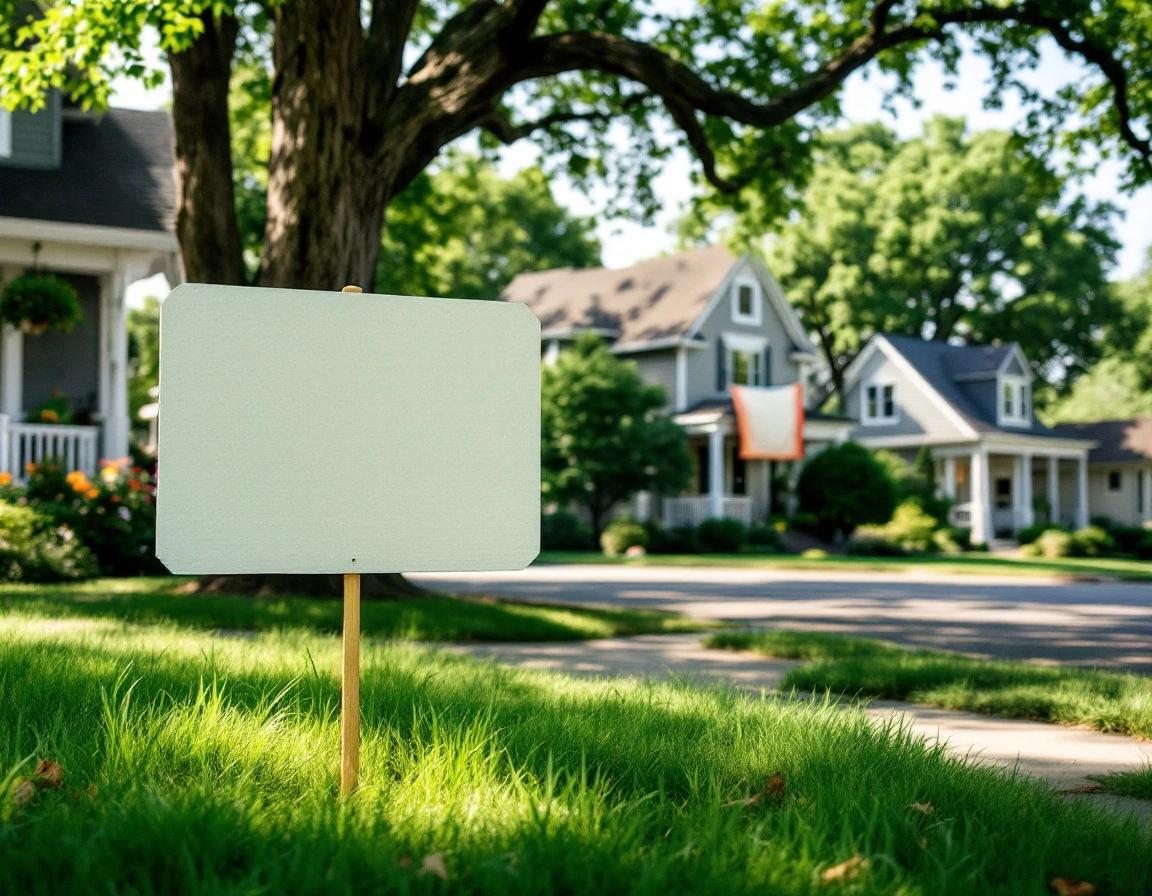
Summer Event Signage Demand & Timeline
If you’re running an outdoor event this summer, you’ve probably noticed that the signage materials matter. Banners that look great in June fade or tear by July if you don’t choose the right material for how long your event actually lasts. Festivals, trade shows, promotional campaigns, and fundraisers dominate calendars through August, creating concentrated demand for materials that can withstand outdoor conditions. Event planners ordering materials in early June face a specific challenge: their signs must survive two to three months of sun exposure, humidity, wind, and potential rain while maintaining visibility and structural integrity.
The timing creates pressure on both sides of the budget equation. Order too late, and supply delays force last-minute compromises or missed event deadlines. Choose materials that are too fragile, and your banners tear or fade halfway through a multi-week festival. Overinvest in premium weatherproof materials for a single-day promotion, and you’ve spent three times what the event justifies.
The trick is matching the material to three things: how long your event runs, what weather it will face, and what you can actually spend.
A banner for an indoor trade show booth has different requirements than yard signs for an outdoor August fundraiser. If you’re uncertain which material fits your timeline and venue, we can walk you through the right choice — schedule a free consultation to match your event to the signage that will actually last.
Vinyl Banners vs Corrugated Yard Signs
When you’re planning a multi-week outdoor festival in July and August, material selection determines whether your signage stays vibrant through the event or fades into an eyesore. Vinyl banners and corrugated plastic signs serve different niches, and matching the right material to your event timeline prevents both premature failure and unnecessary overspending.
Vinyl banners hold up to summer weather better than lighter materials. If your event runs longer than three weeks in direct sun, you’ll want the thicker, more durable grade — the cost difference is small compared to replacing faded signage mid-event. Expect to pay $2 to $6 per square foot depending on size and grade—a 3×8 foot banner runs $48 to $144. That premium buys weather resistance: vinyl withstands rain, holds color through August heat, and tolerates wind without tearing at grommets.
Corrugated plastic signs—the lightweight fluted sheets used for yard signs printing services—cost $0.80 to $2 per square foot. Making them budget-friendly for short runs. A comparable 3×8 sign costs $19 to $48. This material works well for 2- to 3-week fundraisers, weekend promotions, or events in covered pavilions where direct sun exposure is limited. Extended outdoor use causes warping and color fade, especially in unshaded areas.
Choose vinyl when your event runs through multiple weeks of summer weather and needs high visibility from a distance—music festivals, seasonal markets, and outdoor campaigns justify the upfront cost. Corrugated suits quick-turnaround promotions, indoor venue wayfinding, and short-term announcements where you need directional signs that won’t outlast the event itself. Match the material grade to your venue exposure: sheltered locations preserve corrugated; open-air sites demand vinyl’s resilience.
Mesh Fabric Banners & Aluminum Frames
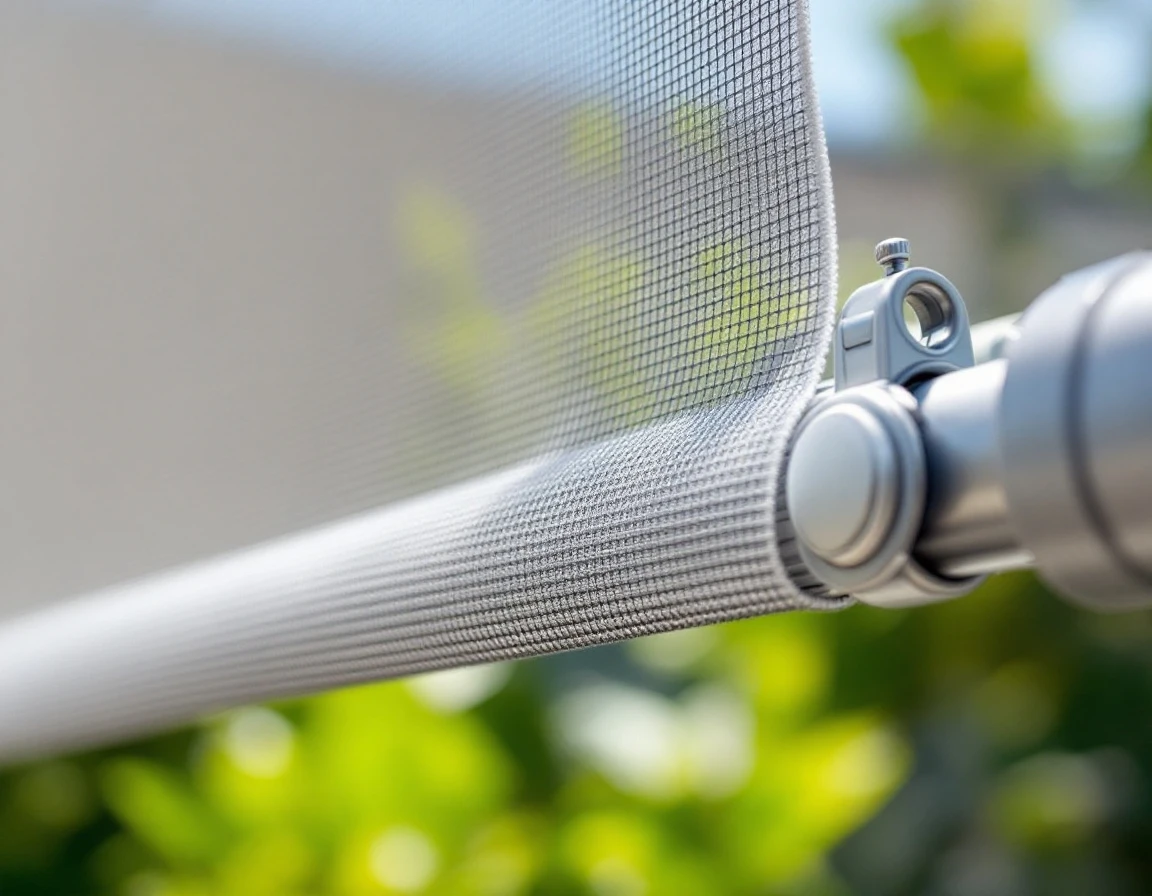
When your summer event faces high winds—open-air festivals, parking lot promotions, or trade show grounds without building shelter—standard vinyl banners become expensive liabilities. Wind creates sail effect, stressing grommets and requiring constant repositioning or weighted reinforcement. Mesh fabric banners with aluminum frames solve this by allowing wind to flow through perforated material while the rigid frame maintains structure and visibility.
The investment is higher upfront: expect $4–$8 per square foot installed compared to $2–$6 for vinyl alone. That’s a bigger upfront cost, but here’s the advantage: these systems will survive multiple summers, so the cost per event drops if you’re running events regularly. With proper cleaning and storage between events, these banners last 2–3 summer seasons. If you run recurring events or operate multiple trade show booths annually. The per-event amortized cost becomes competitive with single-use vinyl.
The logistics trade-off matters. Aluminum frames require professional setup and removal, adding labor costs that single-person vinyl hanging avoids. But for multi-day trade shows or festival series, that labor investment allows quick deployment across venues. One frame set can rotate through June, July, and August events with different mesh prints.
For multi-week event visibility, mesh-and-frame systems make sense for venues where wind would destroy cheaper materials or for event calendars where reusability turns premium pricing into practical economics.
Pricing Strategy by Event Type & Duration
The budget you need depends entirely on how long your event runs. A two-week sidewalk sale needs different materials than a month-long festival — and getting it wrong costs you either money upfront or failures mid-event.
- Short-duration promotions lasting two to three weeks: Corrugated plastic signs offer the most economical path. Budget $800 to $2,000 for a set of 10 to 15 signs, including basic design work and ground stakes or A-frame stands. This range covers standard sizes like 18×24 inches or 24×36 inches with simple one- or two-color designs. Custom artwork adds $150 to $500 depending on complexity, and if you’re ordering after June 15, expect rush fees to increase your total by 20 to 30 percent.
- Festivals and outdoor events running three to four weeks: Vinyl banners handle extended UV exposure and weather better than corrugated alternatives. Plan for $1,500 to $4,000 depending on banner size, quantity, and whether you need grommets, pole pockets, or reinforced edges. A 3-foot by 8-foot vinyl banner typically costs $75 to $150 per unit, so five banners with moderate customization fall into this range. Summer event banners and signs at this investment level support your event’s visibility throughout peak season.
- Multi-day trade shows or recurring seasonal events: Mesh banners with aluminum frames justify their $3,000 to $8,000 upfront cost through reusability. Amortized over three seasons, the cost per event drops below single-use vinyl. Volume orders of five or more signs reduce per-unit costs by 10 to 25 percent across all material categories, making bulk purchasing a practical budget strategy when you know your signage needs extend beyond one event.

Climate & Venue Exposure Factors
Your venue conditions determine which materials will hold up and which will fail mid-event. Outdoor signage materials face three primary threats: UV degradation from direct sun, wind stress that can turn rigid signs into sails, and moisture damage in humid or rainy climates.
For events in direct sun lasting three weeks or longer, UV-resistant vinyl is mandatory. Corrugated plastic fades noticeably after 21 days of continuous exposure, losing legibility just when your event hits peak attendance. Wind poses different challenges: open-air venues like parking lots and fairgrounds require mesh fabric with aluminum frames to prevent the sail effect that tears standard vinyl and creates liability risks when signs blow loose.
Humidity demands vinyl over corrugated in coastal and southern regions. Corrugated plastic absorbs moisture, warping edges and softening the substrate within two weeks of consistent exposure. Indoor venues with climate control allow any material. Sheltered outdoor spaces (covered pavilions, building overhangs) support corrugated for 2-3 week runs. Open-air windy sites need mesh with frames. Coastal humid locations require vinyl as the baseline choice, with mesh upgrades for wind-prone spots.
Ordering Timeline & Margin Protection
June marks both planning season and supply chain pressure points for July events. Orders placed June 1–15 ship within 5–7 business days, giving you margin to inspect materials, test installations, and handle any production issues before your event. This window protects your timeline and locks in standard pricing.
After June 15, print shops enter peak season. Orders placed June 15–30 trigger rush fees of 20–30% above standard rates, and turnaround extends to 10–14 days as production queues fill. Late-June orders for early-July events carry real risk — aluminum frame systems and custom mesh banners often face 2–3 week delays when suppliers hit capacity.
If your business runs recurring summer events, pre-ordering in May for June delivery locks standard pricing and guarantees availability. ParcelPuffin’s Print Shop software helps you track these seasonal ordering windows — one of our print shop partners orders their mesh banners in early May every year, avoiding both rush premiums and the July stockout window entirely. For one-time July events, treat June 1 as your ordering deadline, not June 30.
Vendor Selection & Quality Standards
The signage that holds up through August versus the stuff that falls apart by mid-July usually comes down to one thing: asking the right questions when you order. Most vendors won’t volunteer information about material quality — you have to know what to ask for. When you’re comparing quotes from vendors, don’t just look at the lowest price. Ask about the material quality and any certifications they carry — it’s worth understanding what you’re actually buying before your event. Ask your banner vendor if the materials meet fire safety codes for your venue. Some indoor spaces and covered event areas have specific requirements — you don’t want to discover this two days before your event.
Aluminum frame systems vary in durability based on finish quality. Powder-coated frames resist rust and corrosion in humid summer conditions, while bare aluminum degrades quickly when exposed to moisture and salt air. Request samples before approving production, and confirm print resolution meets your visibility needs for graphics that remain readable from 15–20 feet away. Color accuracy matters for brand-consistent signage—reputable vendors provide color-matched proofs to prevent costly reprints.
Warranty coverage reveals vendor confidence in material quality.
Industry-standard protection includes one-year warranties on frame systems and six to twelve months on vinyl banners, covering premature fading, seam separation, and structural failures.
Vendors offering only 30–90 day coverage often use lower-grade materials that degrade faster. Before signing contracts, confirm what warranty terms cover: Does it include full replacement or just prorated credit? Are weather-related failures excluded? Understanding these protections helps you compare true value across quotes and avoid mid-event signage failures that disrupt your marketing plan.
If you’re running a print shop or event planning service, ParcelPuffin’s ordering and inventory tools help you stay ahead of seasonal demand peaks. Explore how our platform supports event signage operations — schedule a demo or see how it works for your business.