
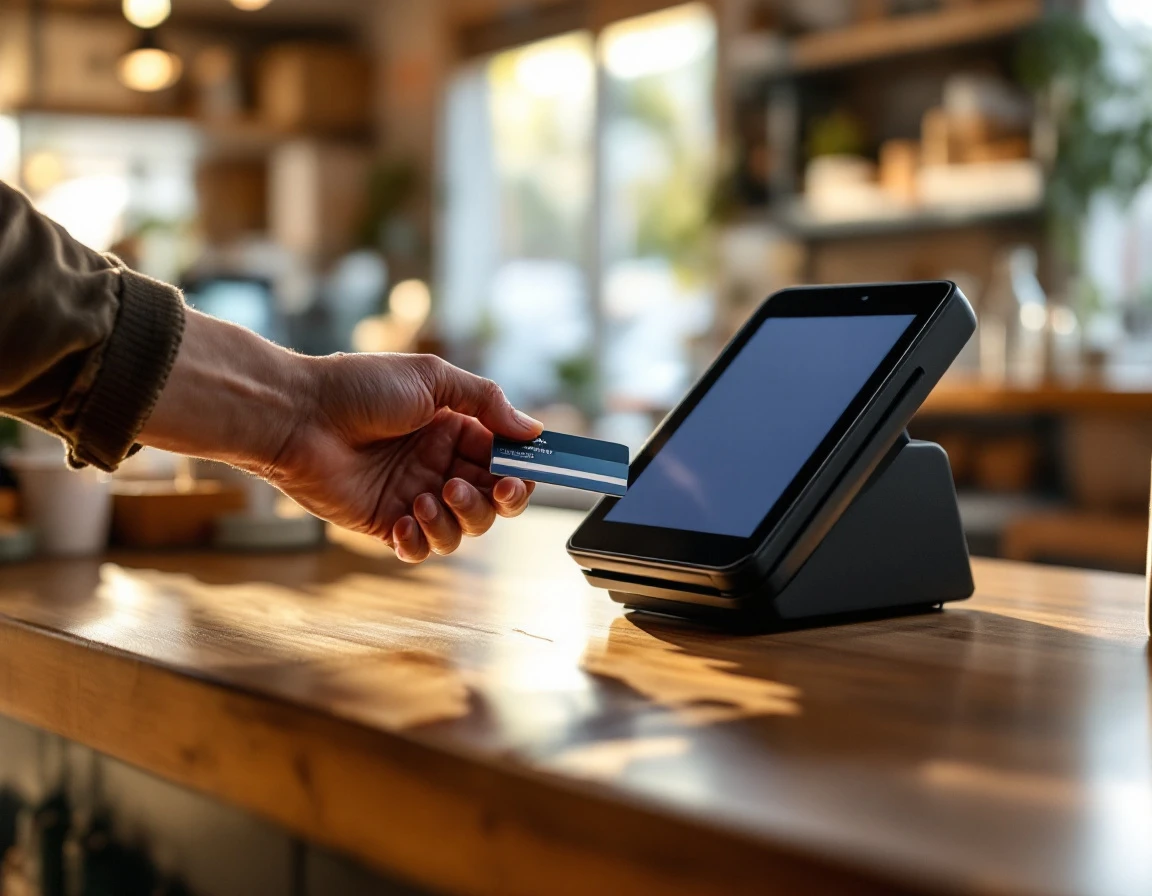
Payment Fragmentation Problem
Managing print orders, shipping labels, notary appointments, and retail items through separate payment systems creates transaction delays, reconciliation errors, and multiplied compliance work for multi-service stores. A unified payment processing solution for multi-service retail eliminates this fragmentation by consolidating all transaction types into a single system.
Separate payment systems for retail sales
When you process retail merchandise through one terminal, shipping labels through a carrier portal, and notary services through a separate booking system, each transaction creates its own reconciliation headache. Three payment streams mean three sets of merchant statements, three PCI compliance scopes, and three opportunities for billing errors when customers need services from multiple categories in one visit.
A customer buying packing supplies, printing a label, and scheduling a notarization should complete one transaction. Instead, many multi-service retailers ring up each component separately, forcing staff to process multiple payments and customers to tap their card three times.
This fragmentation slows your counter operations during peak hours and creates confusion when reviewing end-of-day reports.
Fragmented systems multiply PCI compliance
Every payment terminal you operate becomes a separate compliance burden.
Split your transactions across three devices — one for retail, one for shipping, one for services — and you’ve tripled your PCI scope.
Each system requires its own security updates, quarterly scans, and annual assessments, turning compliance from a checklist into a recurring operational drain.
Compliance and Security Risks
Every payment terminal a retailer operates creates its own distinct PCI DSS audit obligation. A store running separate systems for retail sales, shipping labels, and notary services doesn’t just maintain three terminals—it maintains three separate compliance scopes. Each system requires its own vulnerability scans, its own security assessments, and its own documentation trail proving adherence to card network standards.
The regulatory pressure intensifies in 2026 as payment processors move toward mandatory EMV chip and contactless support across all transaction types. Terminals that handle only magnetic stripe or signature-based transactions face phaseout, forcing retailers to upgrade hardware across every payment channel they operate. A fragmented setup means coordinating multiple equipment refreshes, each with its own certification verification and protocol validation requirements.
Beyond audit complexity, managing separate merchant agreements for different revenue streams creates shadow liability exposure. When retail sales flow through one processor, shipping fees through another, and service bookings through a third, each agreement carries distinct chargeback policies, settlement terms, and dispute procedures. A unified terminal collapses this fragmentation into a single compliance framework—one audit scope, one certification path, one merchant relationship—transforming payment security from an administrative burden into a manageable business function.
Transaction Types Unified Payment Processing Handles
Multi-service retailers process three distinct transaction buckets that generic retail POS systems struggle to accommodate. Each type demands different data capture and routing logic that a payment terminal for print shipping notary services handles without forcing workarounds or duplicate entries.
- Retail sales form the foundation — printed goods, packaging supplies, shipping materials, and retail items processed at full POS speed during busy hours. These transactions require barcode scanning, SKU tracking, and sales tax calculation identical to any retail store. The difference emerges when a customer adds shipping or service fees to the same purchase.
- Shipping label processing captures carrier type, weight basis, and dimensional charges in a single transaction to prevent margin leakage that occurs when label fees process separately from retail items. A unified terminal routes carrier adjjustments with full transaction context, so that commission calculations account for both product sales and shipping revenue. When a customer buys boxes and ships a package in one visit, the system treats it as one combined transaction rather than splitting payment across separate platforms.
- Service bookings tie billing to scheduling systems for notary fees, passport photo charges, and document scanning billed in real-time with appointment confirmation. This connection prevents no-show reconciliation problems that arise when payment and scheduling operate in separate systems. A customer paying for notary services receives immediate appointment confirmation because billing and booking happen together, not through disconnected platforms that require manual cross-referencing later.
Core Unified Terminal Capabilities
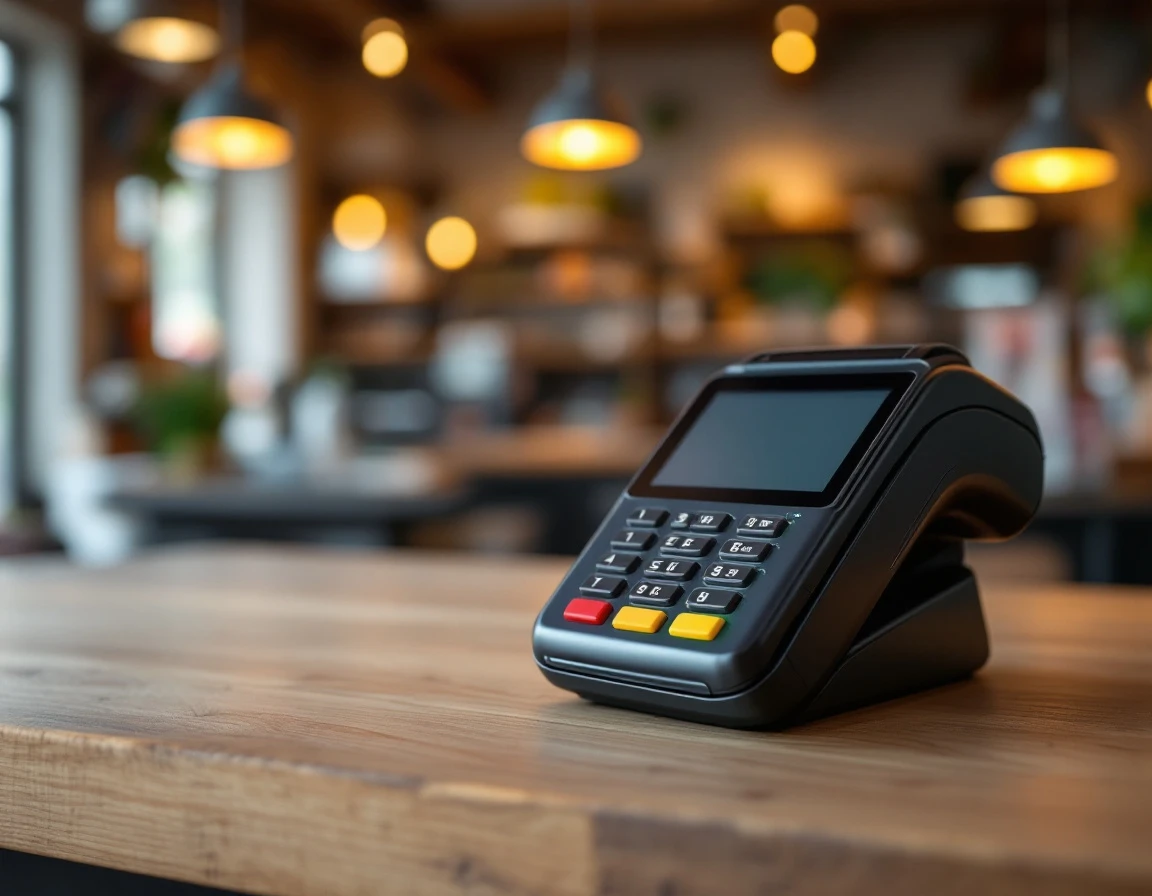
A unified payment terminal built for multi-service retail handles the core payment types these businesses actually process. EMV chip card support and contactless payments — including NFC tap-to-pay and mobile wallets like Apple Pay and Google Pay — come standard in modern unified terminals. These aren’t optional features in 2026. Customers expect to pay the same way at your counter that they do everywhere else, and terminals that support both chip and contactless transactions eliminate the “sorry, we only take swipe cards” friction that slows checkout.
The feature that matters most for multi-service retailers is transaction categorization with automatic routing. When a customer pays for shipping labels, retail merchandise, and a notary service in one transaction, the terminal needs to route each revenue component to the correct general ledger account without manual intervention. A shipping label fee routes to shipping revenue. A retail item routes to merchandise sales. A notary booking routes to service revenue. This happens automatically based on how items are coded in your POS system, eliminating the manual journal entries that create month-end reconciliation headaches.
Receipt customization by transaction type provides another layer of operational clarity. Shipping receipts display tracking numbers and carrier details. Retail receipts show SKUs and return policies. Service bookings print appointment confirmations. The same terminal outputs different receipt formats based on what the customer purchased, which reduces confusion and support questions.
Real-time payment routing also enables interchange optimization — the terminal selects processing pathways that minimize merchant fees based on card type and transaction characteristics. This happens in milliseconds without staff involvement, reducing processing costs across thousands of transactions each month.
Implementation and Staff Transition
Transitioning from fragmented payment systems to unified processing doesn’t require a complete operational shutdown. Most retailers adopt a phased rollout strategy that tests the new terminal during their highest-traffic periods — shipping rush hours, tax season for notary services, or print deadline peaks. This approach validates accuracy and staff comfort under real-world pressure before full deployment.
Training time drops when staff learn one terminal interface instead of juggling separate devices for retail sales, shipping labels, and service bookings.
Retailers consistently report that single-terminal training reduces onboarding time measurably compared to managing multiple device types.
New employees reach full transaction speed faster, and experienced staff make fewer errors when all payment types flow through the same interface.
Staff confidence increases when one terminal handles every transaction type — retail merchandise, shipping labels, notary fees, and combined purchases. This confidence translates directly to fewer refund disputes and payment errors at the counter. Most retailers notice reduced billing errors and faster transaction completion within the first week of operation, as staff no longer switch between devices or manually coordinate split payments across separate systems.
Decision Framework and Next Steps
Before selecting a unified payment terminal, evaluate vendors against your specific service mix. Does the system support all your transaction types — retail sales, shipping label fees, and service bookings like notary or mailbox rentals? Confirm it meets 2026 EMV and contactless requirements while integrating with your existing POS without forcing a complete system replacement. These capabilities determine whether consolidation actually simplifies your operations or creates new compatibility headaches.
Calculate your compliance cost savings by adding up current expenses: per-terminal PCI audit fees, separate merchant account fees, and integration maintenance costs across fragmented systems. A store processing 75 daily transactions across print jobs, shipping labels, and retail items can typically recover unified terminal costs within six months through reduced compliance overhead and faster checkout times. Multi-service retail POS payment solutions eliminate the delays inherent in toggling between separate devices, accelerating transaction completion and improving customer flow throughout the business day.
Ready to simplify your payment processing? Request a demo to see how ParcelPuffin handles multi-service transactions in a single system, or audit your current payment processing costs to identify consolidation opportunities.