

Summer Travel Demand & Market Opportunity
Pack-and-ship stores already handle shipping labels, mailbox rentals, and print jobs. Adding a passport photo service during peak travel season (April-August) creates another high-margin revenue stream without requiring new vendor relationships or complex inventory management. Families, students, and business travelers prepare for international trips during these months, creating predictable spikes in photo demand when customers already trust you for their shipping needs.
April-August peak travel season creates urgent demand
Between April and August, pack-and-ship stores experience a sharp uptick in passport photo requests. Families planning summer vacations, students preparing for study abroad programs, and professionals applying for work visas all need compliant photos on tight deadlines. This seasonal demand creates a predictable revenue opportunity for stores that promote their passport photo services before the rush begins.
Passport photos deliver margins comparable to mailbox rental services—50-70% after equipment, supplies, and labor. Adding passport photos to your existing pack-and-ship store requires less upfront investment than expanding your shipping carrier lineup or print service capabilities. A camera, lighting kit, backdrop, and compliance software total $1,500-$3,000—far less than upgrading your POS system or adding new carrier integrations. Unlike shipping services that depend on carrier contracts and package volume, photos generate revenue immediately with minimal ongoing costs, making them an easy add-on for stores already running on a POS system.
Unlike shipping services that depend on carrier contracts and package volume, passport photos deliver immediate revenue with minimal overhead, making them an accessible entry point for entrepreneurs looking to build service-based income.
Two-to-three month runway allows May 2026 launch
If you’re planning a May launch, start equipment procurement and compliance setup in February or March. That gives you two to three months to test your photo workflow, train staff on your POS system’s photo order tracking, and build local awareness before spring travelers need renewal photos. A May launch positions your store to capture peak demand from families applying for passports before summer vacations and international travelers preparing visa applications during the April-through-August window when booking activity concentrates.
Professional Passport Photo Setup & Equipment
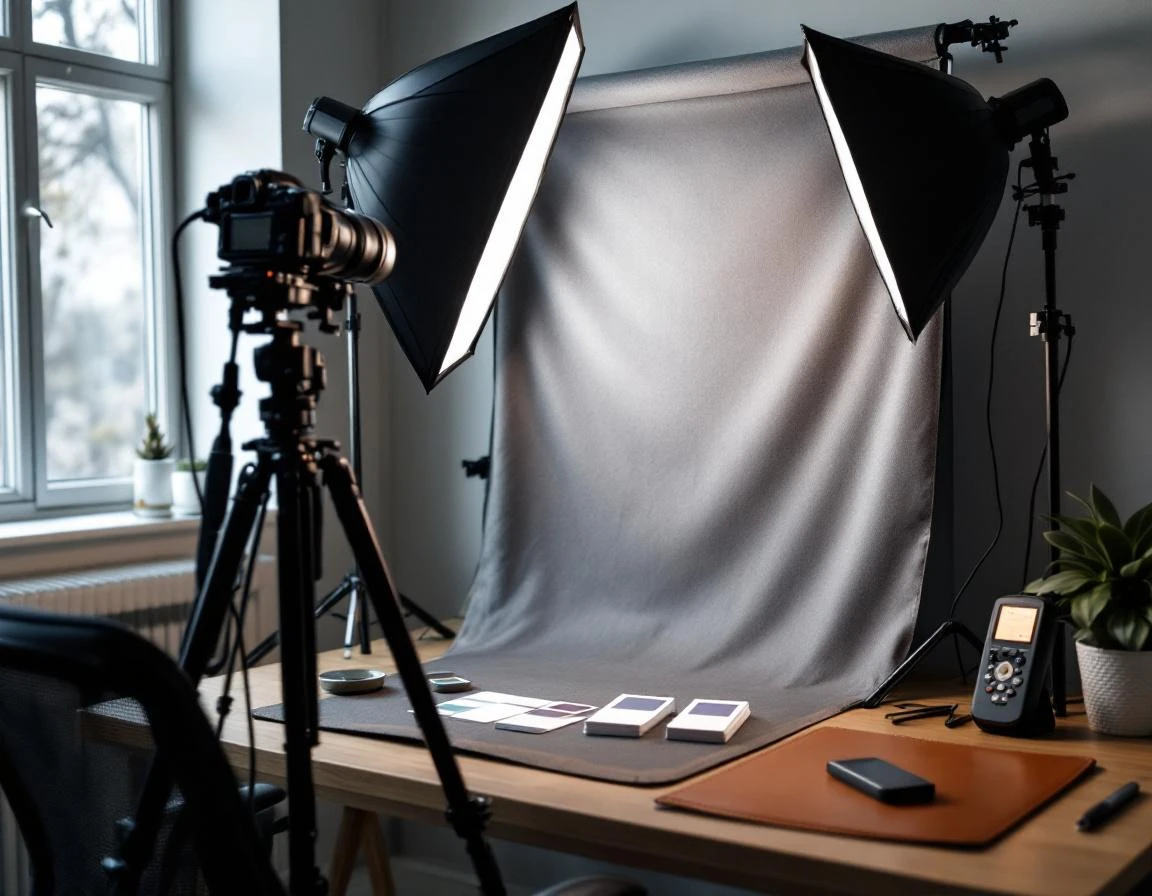
Running a pack-and-ship store means your customers already trust you for shipping, printing, and mailbox services. Passport photos fit naturally into that service mix, especially during spring and summer when travelers book trips. To launch this service reliably, you’ll need equipment that meets federal standards consistently. Your core setup includes a camera ($400–$1,200), professional lighting ($200–$500), a backdrop system ($100–$300), and compliance software ($20–$100 monthly).
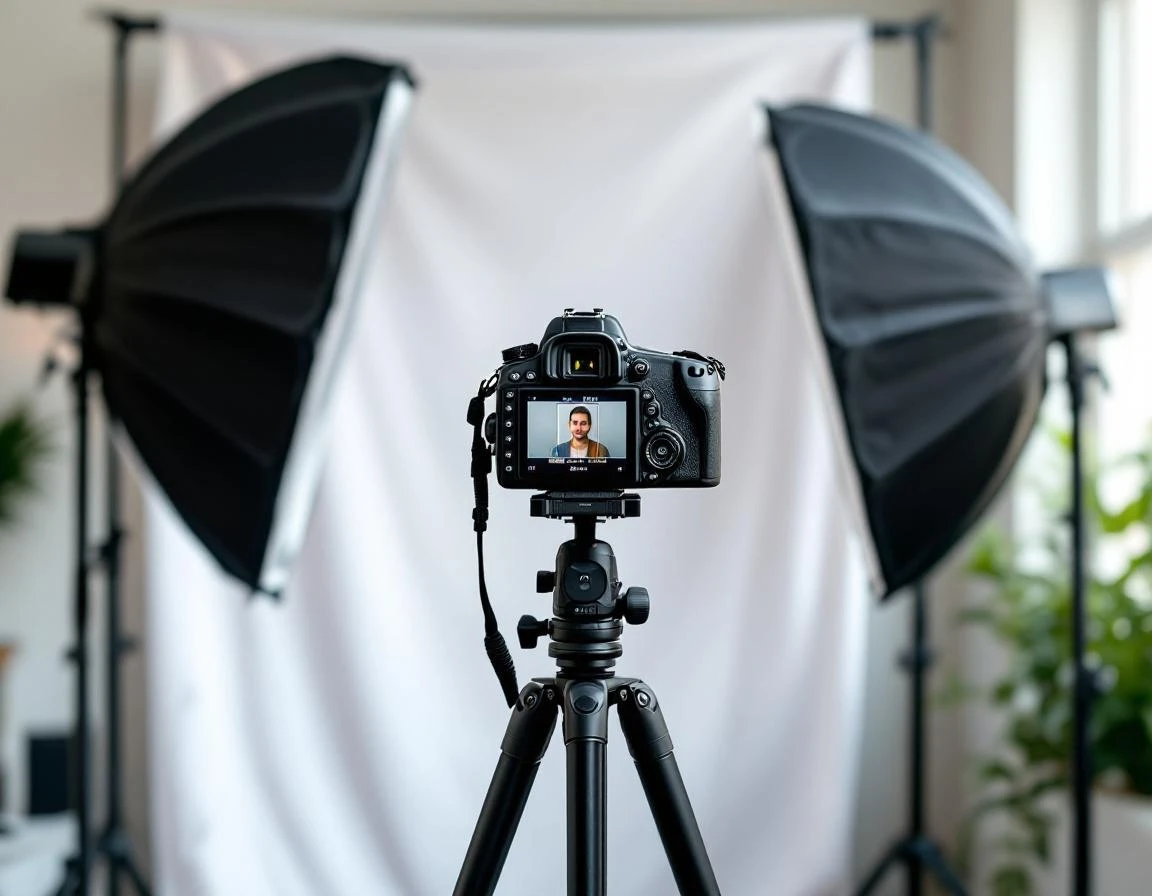
A DSLR or mirrorless camera ($400-$1,200) provides the resolution and color accuracy needed for passport photos. Models like the Canon EOS Rebel series or Sony Alpha lineup handle the technical requirements without professional photographer expertise. Pair the camera with a professional lighting kit ($200-$500) that delivers even, shadow-free illumination across the subject’s face. Two-light setups with softboxes prevent the harsh shadows that trigger rejections from passport agencies.
Your backdrop system ($100-$300) must produce pure white or off-white backgrounds that meet federal specifications. Paper rolls or fabric backdrops with uninterrupted surfaces with proper lighting eliminate the background inconsistencies that cause application delays. Budget $20-$100 monthly for editing software subscriptions that include compliance checking tools. These platforms overlay State Department templates onto your photos, flagging head position, size ratio, and lighting issues before you print.
For stores already operating retail locations, passport photos fit into existing counter space with minimal equipment footprint. Your POS system handles order tracking and payment processing. Home-based shipping centers can add passport photos to boost revenue during slow shipping periods, but retail foot traffic makes this service more viable as a counter add-on. Both models need compliance software that reduces rejection risk—a critical factor since customers expect guaranteed acceptance.
Photography equipment represents a one-time investment that serves hundreds of customers. The lighting kit and backdrop maintain consistency across all photos, while compliance software prevents the costly reprints that erode profit margins on budget photo sessions.
Regulatory Requirements by U.S. Region
Launching a passport photo service means navigating a mix of federal standards and state-level regulations that vary depending on where you operate. The U.S. Department of State sets strict passport photo specifications that apply nationwide: photos must be 2×2 inches, printed on matte or glossy photo-quality paper, with a plain white or off-white background. The applicant’s face must occupy 70-80% of the frame, measured from the bottom of the chin to the top of the head, with the head centered and eyes looking directly at the camera. No head coverings are allowed except for documented religious purposes, and glasses are prohibited in passport photos submitted after November 2016.
State ID and driver’s license photo requirements follow different rules that vary by state. Some states require specific background colors, different size ratios, or accept digital submissions through their DMV portals, while others maintain older film-based processes. This means you’ll need to research your specific state’s Department of Motor Vehicles requirements and keep updated printouts of acceptable specifications at your workstation. Local business licensing and notary regulations also differ—some states require a general business license, while others mandate specialized photography permits or signage approvals for retail operations.
Visa application photos open additional revenue streams, especially in areas with immigrant communities or international students. Photo requirements vary by destination country:
- UK visas require 45×35mm photos with a light gray background
- Canadian visas specify 50×70mm dimensions
- Schengen countries accept 35×45mm photos with specific head positioning rules
Keep a compliance guide at your counter for common visa destinations—UK (45×35mm), Canada (50×70mm), Schengen (35×45mm). This positions your store as the expert for international customers already using your mailbox rental and shipping services, and your POS system logs each photo order alongside their other transactions.
Passport Photo Pricing Strategy & Profit Margins
Passport photo pricing varies widely depending on your market position and location. High-volume chains like Walgreens and CVS compete on convenience and walk-in traffic, positioning themselves as the accessible option for customers seeking quick service. Independent shops and premium locations differentiate themselves by emphasizing quality, personalized service, and compliance expertise, which justifies a higher price point. Your pricing should account for your location’s customer mix. Drugstores compete on convenience and walk-in traffic. Your shipping center competes on trust and existing customer relationships—customers already paying for mailbox rentals or label printing. You can charge a premium because you’re adding a service to their existing workflow, not competing solely on price.
Building a sustainable pricing model starts with understanding your true costs. Calculate monthly overhead including space rental, utilities, and photo compliance software subscriptions. Add per-photo expenses like printing supplies, paper stock, and props such as chairs or posture guides. Factor in labor time—a typical passport photo session takes 10 to 15 minutes including setup, capture, review, and printing. A cost-plus model helps you set baseline rates that cover expenses while delivering healthy margins on each transaction.
The real opportunity comes from integrating passport photos into your existing customer workflows. Offer rush turnarounds for travelers on tight deadlines—charge standard rate for 3-to-5-day service, premium for 24-to-48-hour turnaround when customers need emergency documents. Your POS system tracks these orders alongside shipping labels and print jobs, so you can upsell digital file packages to customers renewing passports or visa photos. Customers already trusting you for mailbox rental and shipping naturally add photos to their next visit. International visa photos for countries like India, China, or Brazil require different dimensions and specifications, allowing you to charge $5 to $10 more per set for specialized knowledge and formatting.
Pre-Summer Marketing & Launch Tactics
A May 2026 launch requires marketing activation in late April. Update your Google Business Profile to include passport photo services alongside your shipping and print offerings. ParcelPuffin’s POS system makes it easy to track photo orders, manage pricing tiers, and train staff on compliance—so you can focus on marketing to the right audience. Include service keywords like “passport photos near me” and “visa photos” to capture search traffic when summer travelers start planning. Upload photos of your setup, post your hours, and add categories for photography services and business services to appear in “passport photos near me” searches when demand begins climbing in early May.
Before your official launch, run local search ads targeting geographic radius searches for passport photo services. Collect your first reviews from beta customers or friends who need travel documents — three to five reviews before launch week builds trust when summer travelers start searching. In May, launch Facebook and Instagram ad campaigns targeting parents planning family vacations, college students applying for study-abroad visas, and professionals renewing passports for business travel.
Content marketing drives organic search traffic from people researching travel requirements. Publish blog posts about passport renewal deadlines before summer trips, country-specific visa photo dimensions, and travel document checklists for international families. These posts rank for informational queries that convert into walk-in appointments when readers realize they need compliant photos quickly.
Establish partnerships with travel agencies, visa consultants, and international student centers who refer clients needing photos. Offer these partners referral discounts or co-marketing materials. Employee referral programs at companies with international offices create steady business from visa applicants. These channels activate before peak season and continue generating leads through August when travel demand remains strong.
Operations & Next Steps for Launch
With equipment, pricing, and marketing in place, the final roadmap centers on execution timing. A three-month timeline positions your passport photo service to capture full summer season demand starting in May 2026.
April focuses on setup and verification. Procure equipment, configure your photo station with proper lighting and backdrop, and test compliance against State Department specifications. Verify all regulatory requirements for your location—business licenses, sales tax permits, and any local zoning approvals for home-based operations. Run test sessions with family members to confirm your workflow produces compliant photos consistently.
May launches operations with initial marketing activation. Set your Google Business Profile live and run your first local search ads targeting passport photo queries. Use your ParcelPuffin POS system’s built-in appointment and scheduling features to manage walk-in volume during busy periods—reduce wait times, track compliance by staff member, and integrate photo order revenue into your overall store reporting. Hire your first staff member if operating from a retail location, focusing on customer service skills and attention to detail. Train on photo compliance standards, customer interaction protocols, and your point-of-sale system for payment processing and appointment tracking.
Your passport photo service will follow familiar seasonal patterns. Expect steady low volume (5-8 customers daily) in May as early planners book summer trips.
June through August handles peak season volume. Your passport photo service will follow familiar seasonal patterns. Expect steady low volume (5-8 customers daily) in May as early planners book summer trips. June through August climbs to 10-20 daily as families finalize travel plans. This predictable demand works well alongside your shipping and print business—extend counter hours during peak weeks to capture working parents scheduling photos before work or after picking up kids. Monitor compliance rejection rates weekly—anything above 2-3% signals a process issue worth investigating. Use your ParcelPuffin POS system to tag orders by staff member and photo type, so you can spot training gaps quickly. Maintain checklists for specifications, lighting calibration, and equipment maintenance. As volume climbs, you’ll notice passport photos fit naturally into slower shipping periods, balancing your daily revenue across services.