
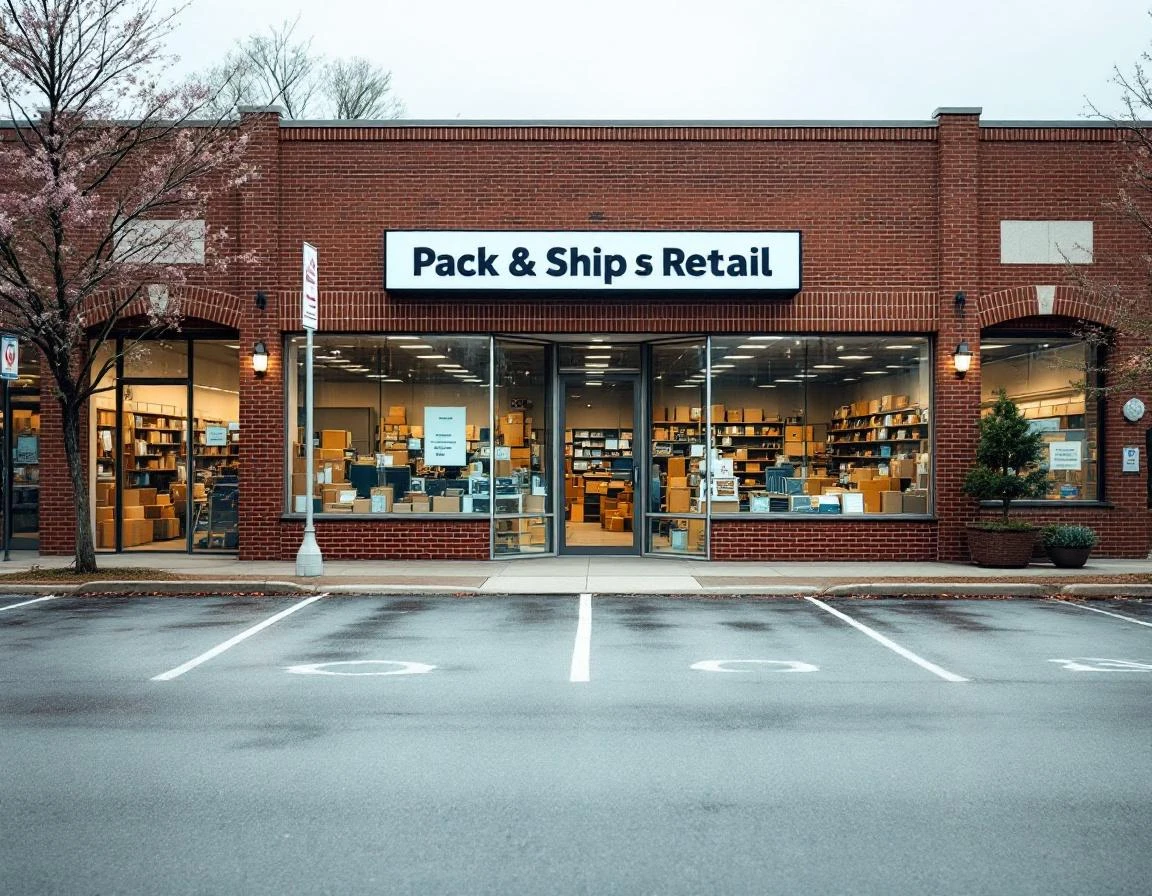
Scaling Pack and Ship Store to Full Time: Fixing Your Operational Foundation
Most part-time pack-and-ship owners hit the same ceiling: limited hours prevent them from capturing seasonal surges, serving repeat customers consistently, or building enough transaction volume to justify full-time expenses. Scaling pack and ship store to full time requires more than just extending your schedule—it demands operational systems that work without your constant presence. You can’t hire staff without more revenue, but you can’t generate more revenue without extending your hours or improving efficiency.
The real constraint isn’t time alone—it’s the absence of scalable systems. When every transaction requires your direct involvement, revenue becomes a function of how many hours you personally work. Before you extend your schedule or bring on help, you need operations that function without you at the counter. That means standardizing staffing protocols, aligning inventory with actual demand patterns, and creating predictable customer acquisition channels.
These three systems—staffing, inventory management, and customer acquisition—unlock full-time viability by increasing revenue capacity without proportionally increasing overhead.
Fix the operational foundation first, then scale hours and headcount.
Phase One: April–May Operations Audit
The first step toward full-time operations is identifying your primary constraint. Over the next thirty days, track three metrics: hours you work each week, inventory turnover (cost of goods sold divided by average inventory value), and customer acquisition cost (marketing spend divided by new customers). These calculations don’t require a consultant or advanced analytics—just consistent record-keeping in your existing POS system.
Your goal is clarity, not perfect”By the end of May, you should know if your own available hours present a limitation.”, stockouts that turn customers away, or insufficient foot traffic. If you’re working sixty hours a week but the store feels quiet, customer acquisition is the bottleneck. If the counter is busy but you’re constantly out of popular box sizes or shipping supplies, inventory management needs attention. If you’re turning away customers because you can’t staff afternoon shifts, hiring becomes the priority.
Use this quick assessment: record your current customer count, average transaction value, and inventory shrinkage percentage. Compare these numbers week over week. The system showing the widest gap between current performance and what you need to reach full-time revenue is where you’ll focus next. ParcelPuffin’s cash flow reporting and POS system consolidation features can speed this audit by centralizing data you’re already collecting.
Phase Two: June–July Scaling Small Shipping Business Operations
Once the April–May audit reveals your primary bottleneck, June and July become the execution window. This phase is about building systems in the correct order, not doing everything at once. If inventory turnover is weak, automated reordering and SKU rationalization come first. If customer acquisition cost is too high, local SEO and seasonal promotions take priority. If labor hours are the constraint, document your workflows and create scheduling templates before you bring on a single employee.
System One: Inventory Management (If Inventory Turnover Is Below Target)
By June 15, implement an inventory system that tracks fast-moving SKUs and flags slow movers. Set reorder thresholds for boxes, mailers, labels, and high-volume print supplies so you never run out during peak hours. Rationalize your SKU count by cutting items that turn less than four times per year. Better inventory management reduces shrinkage from overstock and eliminates emergency supplier runs that cut into your margin.
System Two: Customer Acquisition (When CAC Exceeds Acceptable Thresholds)
By June 30, optimize your Google Business Profile with current hours, service photos, and weekly posts. Launch a summer promotion for first-time customers—$5 off print orders over $20, or free packing supplies with shipping purchases. Track redemption rates and monitor repeat visits. These tactics increase monthly orders by pulling in customers who search for local shipping and printing services but haven’t yet chosen a provider.
Readiness Benchmarks for Hiring by Late July
Before you hire, three benchmarks must be in place:
- Document your core workflows—how to process a shipping order, run a print job, and handle mailbox inquiries—in written checklists
- Create a two-week training schedule with shadowing days and solo practice shifts
- Make sure your revenue can cover 20 hours per week of part-time labor without dipping into reserves
By July 30, you should have one part-time staff member onboarded and trained to handle counter transactions during your busiest afternoon hours.

Staffing System Setup
Staffing comes last for a reason—hiring before workflows are documented and systems are in place guarantees wasted payroll and high turnover. Owners who hire impulsively to solve immediate capacity problems end up spending their time retraining rather than growing revenue.
Start by mapping every task you currently handle as the owner. Categorize each as must-owner-do tasks like client relationship management and high-margin B2B sales, or operations tasks like packing shipments, processing routine transactions, and answering counter questions. This clarity lets you design a first hire role description focused exclusively on operations work that frees your time for business development.
Create training checklists and standard operating procedures for every delegated task—shipping label creation, mailbox rental renewals, notary appointments, print job intake. A well-documented first hire can handle 15–20 additional hours of weekly floor coverage, generating the transaction volume needed to justify their salary. Use scheduling software to protect owner hours for marketing and sales while maximizing customer-facing coverage during peak times.
Inventory and Customer System Optimization
Inventory management and customer acquisition work together to increase revenue per available hour. Start by identifying your core SKUs that drive the majority of your revenue—shipping supplies, common envelope sizes, popular print products—and cut dead stock that ties up shelf space and capital. This SKU rationalization frees cash for reordering fast-movers and reduces the mental overhead of managing hundreds of slow-turning items.
Next, set up automated reordering triggers based on sales velocity. If you sell twenty-five 9×12 envelopes each week during May through August, your system should flag reorder points at ten units remaining. This eliminates manual inventory checks and prevents stockouts during the summer shipping surge when walk-in traffic peaks.
On the customer side, deploy three low-cost acquisition tactics tied to seasonal demand:
- Refresh your Google Business Profile with summer shipping hours
- Promote any USPS-related services during their peak marketing windows
- Send email campaigns to past customers who shipped packages last May
Track monthly revenue per store hour as your core metric, aiming to increase this figure measurably by end of July through faster inventory turns and repeat customer visits.
Phase Three: August–September Revenue Validation and How to Grow Shipping Store Business
By August, your systems are operating under real summer shipping demand. This is when data replaces guesswork. If your April audit identified inventory turnover as the bottleneck and you implemented automated reordering in June, your August numbers will show whether stock-outs decreased and revenue per available hour increased. The same applies to staffing: if your first part-time hire began in late July, September’s payroll-to-revenue ratio will confirm whether training systems produced a profitable employee.
Define clear benchmarks before August begins. Revenue per owner hour should climb as employees handle counter transactions. Customer count per week should reflect the marketing systems you launched in June. Inventory turns should accelerate if you rationalized SKUs and automated reordering. These metrics tell you whether October is the right time to expand to full-time hours or whether a specific system needs refinement first.
This phased approach protects your business. You’re not betting everything on one hiring decision or one marketing channel. Instead, you’ve tested each system incrementally, adjusted based on performance, and validated results under peak seasonal demand. If metrics signal readiness—consistent staffing profitability, rising revenue per hour, stable customer acquisition costs—expanding to full-time operations becomes a logical step grounded in evidence rather than hope.