
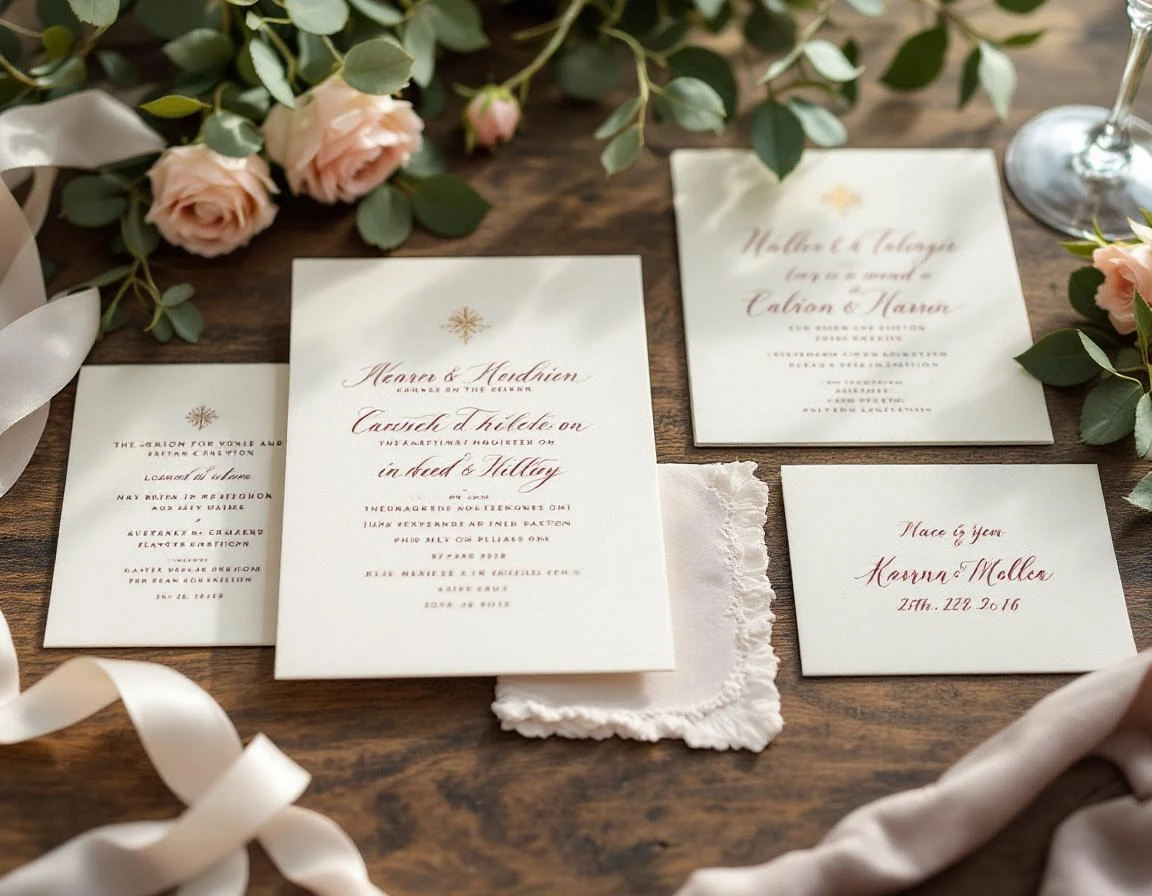
Spring Wedding Season Opportunity
Running a print shop during spring means adjusting for wedding season demand—couples start booking in May and June, and shops that prepare their stationery offerings early capture orders before competitors even realize the opportunity exists.
Peak wedding booking period runs May
Couples typically book their wedding vendors during May and June, creating a concentrated demand window for stationery services. To capture these bookings, printing companies need to launch wedding offerings by April—giving you time to establish relationships with local venues, wedding planners, and bridal boutiques before the rush begins.
Wedding couples value custom stationery highly enough to justify specialty finishes and custom design work. This means your print shop can offer premium services—embossing, foil stamping, custom papers—that standard commercial clients rarely request, letting you showcase higher-end capabilities.
Seasonal demand creates recurring revenue
Wedding printing delivers consistent revenue from engagement through early summer. Once you secure a customer for save-the-dates in January or February, they return for invitations in March, ceremony programs in April, and thank-you cards in May. This creates multiple touchpoints with the same customer across several months.
Launch your wedding stationery service in April, and you’ll capture May and June bookings before competitors even see the demand spike. Most print shops wait too long—by then, couples have already booked their vendors.
Wedding Stationery Service Mix
Your wedding stationery offering should start with the five items every couple needs: invitations to announce the event, programs for the ceremony, place cards for the reception, menus for dinner service, and thank-you cards afterward. These items represent the essential touchpoints couples need from engagement announcement through post-wedding gratitude, and they share production processes that let shops add services without overhauling their existing equipment.
Custom wedding invitations printing and place cards require minimal new investment if your shop already handles commercial printing. Both use standard cardstock weights, digital or offset printing methods, and conventional cutting equipment. Programs and menus follow similar production workflows, making them natural additions to your service line. Thank-you cards round out the offering and create a final revenue opportunity after the wedding event itself.
Bundling these five services into tiered packages increases what couples spend per order. A basic package might include invitations and thank-you cards for budget-conscious couples. Mid-tier bundles add programs and menus for full-service events. Premium packages layer in specialty finishes like embossing or foil stamping, which do require additional equipment investment but command higher margins that justify the capital expense.
Setup costs vary across this product mix. Digital printing equipment you already own handles invitations, place cards, programs, and menus with minimal adjustments. Paper cutting, scoring, and folding equipment serves multiple product types. Where investment becomes necessary is in specialty finishes—embossing machines, foil stamping equipment, and edge painting tools that differentiate premium offerings from standard packages.
This tiered approach lets you enter the wedding market with services that require almost no new equipment, then expand into higher-margin specialty work as demand justifies the investment. Couples shopping for wedding stationery typically need multiple items, so presenting a cohesive product line encourages them to consolidate orders with one vendor rather than splitting services across multiple suppliers.
Equipment Requirements & Investment
Most print shops already own the equipment needed to launch professional wedding stationery printing. Standard invitations, place cards, and thank-you cards run perfectly on existing offset or digital presses without additional investment. If your shop handles business cards and flyers, you’re equipped to produce the core wedding products that generate the majority of orders.
Specialty finishes create differentiation and command premium pricing, but they require dedicated equipment. Foil stamping machines for metallic accents range from compact desktop models to professional-grade units built for high-volume production. Embossing equipment follows a similar investment hierarchy. Letterpress setups represent the most capital-intensive option, with choices spanning from tabletop presses for smaller operations to full production models for established print shops.
Start with standard printing services and add specialty finishes as demand builds. A shop can recover a foil stamping investment within months when premium finishes command higher margins per order.
Listen to what couples actually ask for during consultations. If every third bride requests foil stamping, that’s your signal to invest in the equipment. If nobody’s asking for letterpress, wait on that investment. As you take consultations in April, pay attention to which finishes couples ask about most. If foil stamping comes up constantly, order that equipment now so it arrives with enough lead time for your team to train before May bookings accelerate. Start with your existing presses, quote specialty finishes through wholesale partners if needed, and invest in dedicated equipment once you’ve processed enough orders to justify the purchase. This staged approach protects capital while building the service line methodically.
Client Workflow & Consultation Process
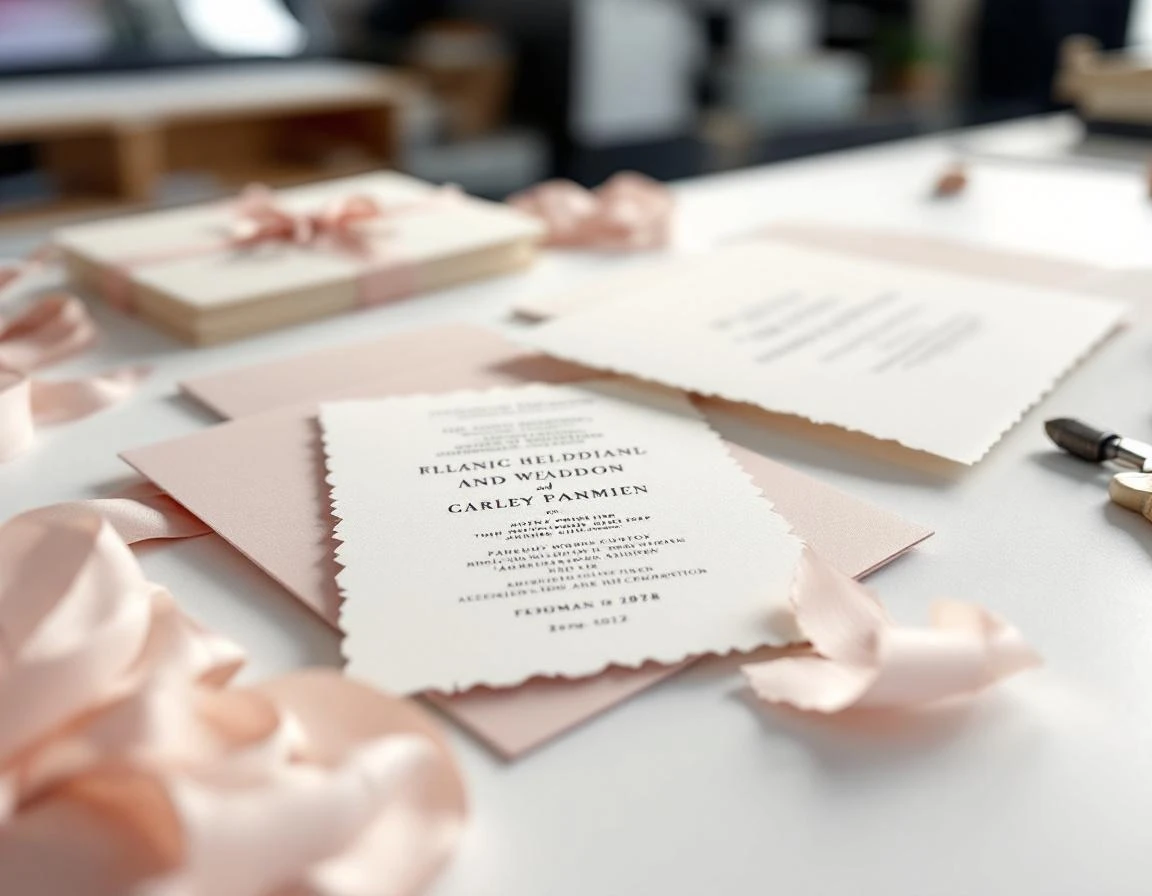
Wedding printing projects require a structured workflow that captures the couple’s vision while meeting strict deadlines. The initial consultation sets the foundation: discuss timeline, budget, wedding theme, and paper preferences. Most couples lack printing knowledge, so your job includes guiding them through stock options, finishes, and realistic production timelines. Document everything — color preferences, deadlines, guest counts, and delivery addresses.
The design iteration phase demands clear approval milestones. Create initial proofs within 48 hours of the consultation. Send digital proofs via email with a specific approval deadline—typically three business days. Track revision requests in your POS system to avoid scope creep. Most wedding orders require two to three revision rounds before final approval. Lock in the final design at least three weeks before the wedding date to allow time for production and shipping.
Timeline pressure is real with wedding projects. A standard invitation suite needs five to seven business days for printing and finishing, but complex work with foil stamping or letterpress extends that to ten or fourteen days. Build this reality into your client consultations upfront. Your POS system should flag orders approaching production deadlines and prevent overbooking during peak weeks in May and June.
Final delivery includes quality assurance checkpoints that commercial printing rarely demands. Inspect every printed piece for color consistency, paper alignment, and finish quality. Pack items with protective materials to prevent damage during shipping. Coordinate delivery timing—invitations ship eight weeks before the wedding, programs and place cards two weeks prior. A good POS system should flag orders approaching production deadlines, prevent overbooking during peak weeks, and show you project status so you can manage multiple wedding clients without administrative chaos.
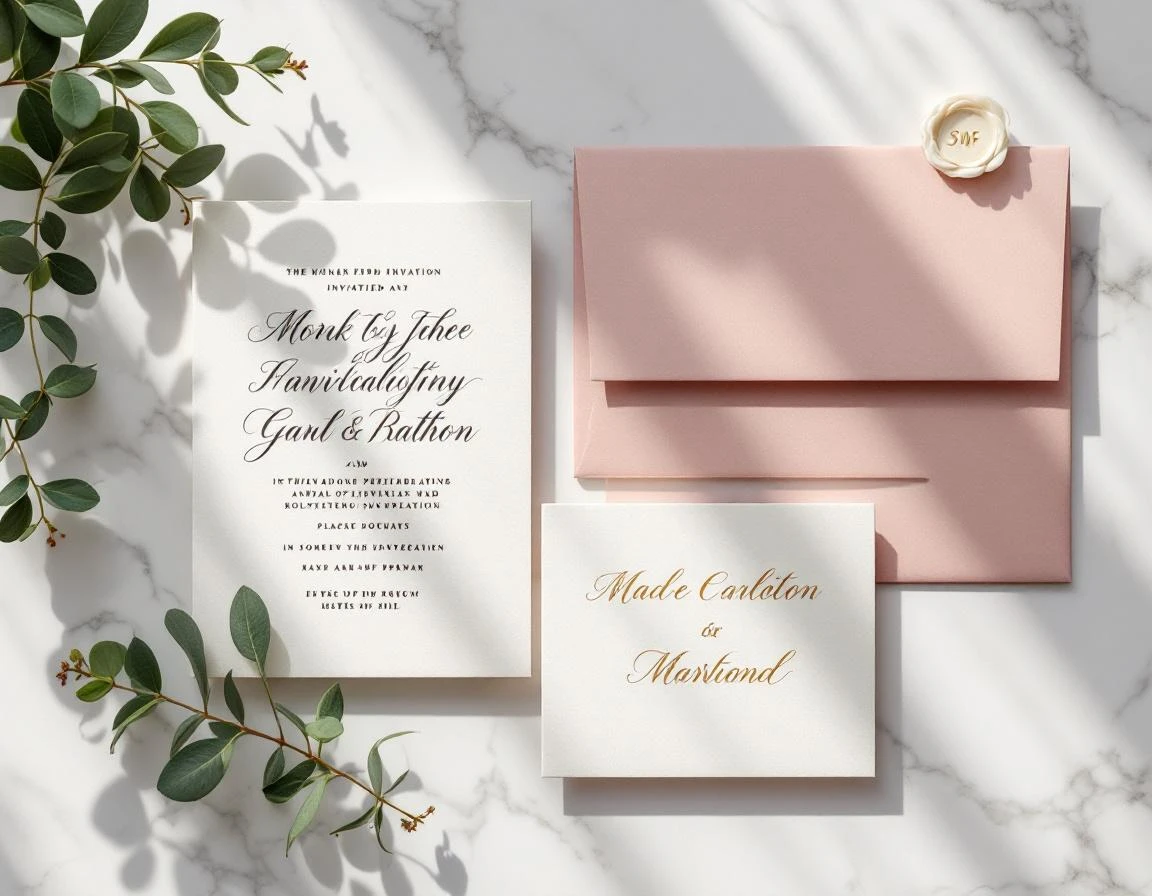
Launch Timeline & Staffing Strategy
Here’s how to launch a wedding stationery service by April and be ready when May bookings arrive:
- Weeks 1-2. Finalize your service offerings—decide whether you’ll offer pre-designed templates, semi-custom work, or fully bespoke design. This determines your pricing structure and production capacity before you market to customers.
- Weeks 2-3. Update your website, Google Business Profile, and local directories. Add wedding stationery as a distinct service category with sample images and starting price points. Brides searching for “wedding invitations near me” need to see that you handle this work before they call competitors.
- Weeks 2-4. Conduct staff training. Cross-train existing offset or digital press operators on wedding-specific workflows—custom paper handling, tight color matching, delicate finishing—takes less time than hiring a dedicated designer. Most shops find that current staff can manage wedding projects alongside commercial work during the spring ramp-up. If order volume exceeds twenty weddings per season, consider bringing in a part-time designer who specializes in invitation layouts and client consultations.
- Week 3. Launch a soft launch to warm leads to test your workflow before peak inquiries arrive. Reach out to recent customers who mentioned upcoming weddings or ask existing clients for referrals. Early orders reveal bottlenecks in your process while volume remains manageable. By the time May bookings accelerate, your team handles wedding projects with the same efficiency as standard commercial runs.
Converting Seasonal Demand to Recurring Revenue
Wedding printing doesn’t end after the ceremony. Satisfied couples come back for holiday cards in November, anniversary reprints the following year, and renewal invitations for milestone celebrations. The shops that see this repeat business are the ones that maintain contact with personalized follow-ups—a simple “Happy First Anniversary” message with a discount offer—that remind couples they have a trusted vendor. The difference between a one-time wedding project and recurring revenue is simple: follow up after the ceremony. Send that anniversary note. Remember their name when they call back.
Wedding couples tend to value quality and attention to detail—and they tell their friends when they find a vendor they can trust. That word-of-mouth becomes your best marketing for other print services. Wedding printing also is a gateway to clients who need business printing, event announcements, and custom stationery for professional use. By demonstrating design capability and attention to detail on wedding projects, print shops position themselves for these higher-margin opportunities throughout the year. The relationship begins with save-the-dates in March or April, continues through ceremony-day programs and thank-you cards, and evolves into ongoing household and business printing needs that stabilize revenue between seasonal peaks in a growing market.