

USPS Financial Challenges Shipping Operators Face
USPS faces structural financial pressures that translate directly into higher shipping costs for your customers and your store. These USPS financial challenges shipping operators encounter have accelerated the need for pack and ship stores to develop alternative carrier strategies before April 2026 rate increases take effect.
USPS financial instability driving Q2 2026 rate increases
The United States Postal Service faces mounting financial pressures that have accelerated rate increases scheduled for April 2026. Decades of infrastructure strain, pension obligations, and declining first-class mail volume have forced USPS to raise shipping rates more frequently than competing carriers.
These increases directly affect pack-and-ship store margins, where customers often default to USPS for familiar domestic shipping. Store operators who rely on single-carrier pricing risk losing price-sensitive customers to competitors offering multi-carrier comparisons.
Direct cost impact on independent operators
Independent pack and ship stores that rely heavily on USPS for retail customer shipments face direct margin pressure as rate increases approach. Unlike franchise operators with corporate rate agreements, independent stores pay commercial pricing and absorb the full impact of each adjustment.
The timeline matters: USPS historically announces January rate increases in October, giving stores three months to adjust pricing and communicate changes to customers. With additional increases expected between now and the April-June 2026 peak season, independent operators should monitor carrier announcements quarterly and prepare comparison strategies before customer sticker shock drives them to online-only alternatives.
Multi-Carrier Rate Comparison Framework
Store operators who wait until April 2026 to respond to USPS rate increases will watch customers walk across the street to competitors who already offer instant rate comparisons. The framework for multi-carrier shipping rate comparison strategies starts with shipment segmentation:
- Local packages under 5 pounds work best with regional carriers like OnTrac or LSO
- Cross-country packages over 10 pounds often ship cheaper via FedEx Ground than USPS Priority Mail
- Time-sensitive overnight shipments belong to UPS and FedEx, where reliability justifies premium pricing
A practical workflow requires real-time rate display at the counter. Modern POS systems query carrier APIs the moment a customer places a package on the scale, showing all available options with delivery dates. A 3-pound package from Chicago to Seattle might show USPS Priority at $18.50, FedEx Ground at $16.20, and UPS Ground at $17.10—letting the customer choose based on their budget and timeline preference.
The decision criteria balance four factors: a 2-day delivery window satisfies most customers without overnight costs, carrier reliability matters more for irreplaceable items, total cost includes insurance and tracking, and customer preference reflects past experience. Stores that present three carrier options for every shipment protect margins when one carrier raises rates, because the comparison itself demonstrates value that online-only shippers cannot match at the counter.
April 2026 Rate Intelligence and Carrier Alternatives
As USPS prepares for another rate adjustment in Q2 2026, UPS and FedEx are expected to hold most zone-based rates relatively steady through mid-year, creating a window where ground and home delivery services become more competitive for medium-weight packages traveling beyond Zone 4. Regional carriers like DHL eCommerce and OnTrac offer particular advantages for West Coast deliveries, often undercutting national carriers for lightweight parcels in Zones 6-8.
When a customer brings in a 5-pound package destined for cross-country delivery, showing them a side-by-side rate comparison that includes UPS Ground and regional options protects your margin while demonstrating value. Many stores find that customers who see transparent rate comparisons return specifically because they trust the store to find the best option rather than defaulting to whichever carrier offers the highest commission.
The key timing advantage lies in communicating competitive shipping options pack and ship stores can offer to customers before the USPS increase takes effect. See side-by-side rate comparison examples that include UPS Ground and regional options.
Offering carrier choice on competitive shipments preserves profit on transactions where USPS pricing would otherwise force you to absorb costs or lose the sale to online platforms.

Customer Communication Strategy
Price-sensitive customers need to hear about carrier alternatives before. USPS increases take effect in April 2026. Start outreach in late March with messaging that positions your multi-carrier access as a customer advantage: “We compare rates across USPS, UPS, and FedEx for every shipment to find you the best price. With carrier rates changing in April, we’ll show you side-by-side options so you decide what works best for your package.”
Transparency about rate pressures builds trust. When customers understand you’re actively searching for their lowest cost option, they stay loyal even when base rates increase.
This approach reframes carrier diversity as a store strength rather than a USPS limitation. Post comparison examples at the counter showing how a 3-pound package to Zone 5 might save money with UPS Ground versus USPS Priority Mail.
Timing matters. Customers who learn about alternatives after experiencing sticker shock may switch to online shipping instead of returning to your store. Proactive education in March creates informed shoppers who appreciate your comparison service rather than frustrated customers hunting for cheaper options elsewhere.
POS Integration and Workflow Implementation
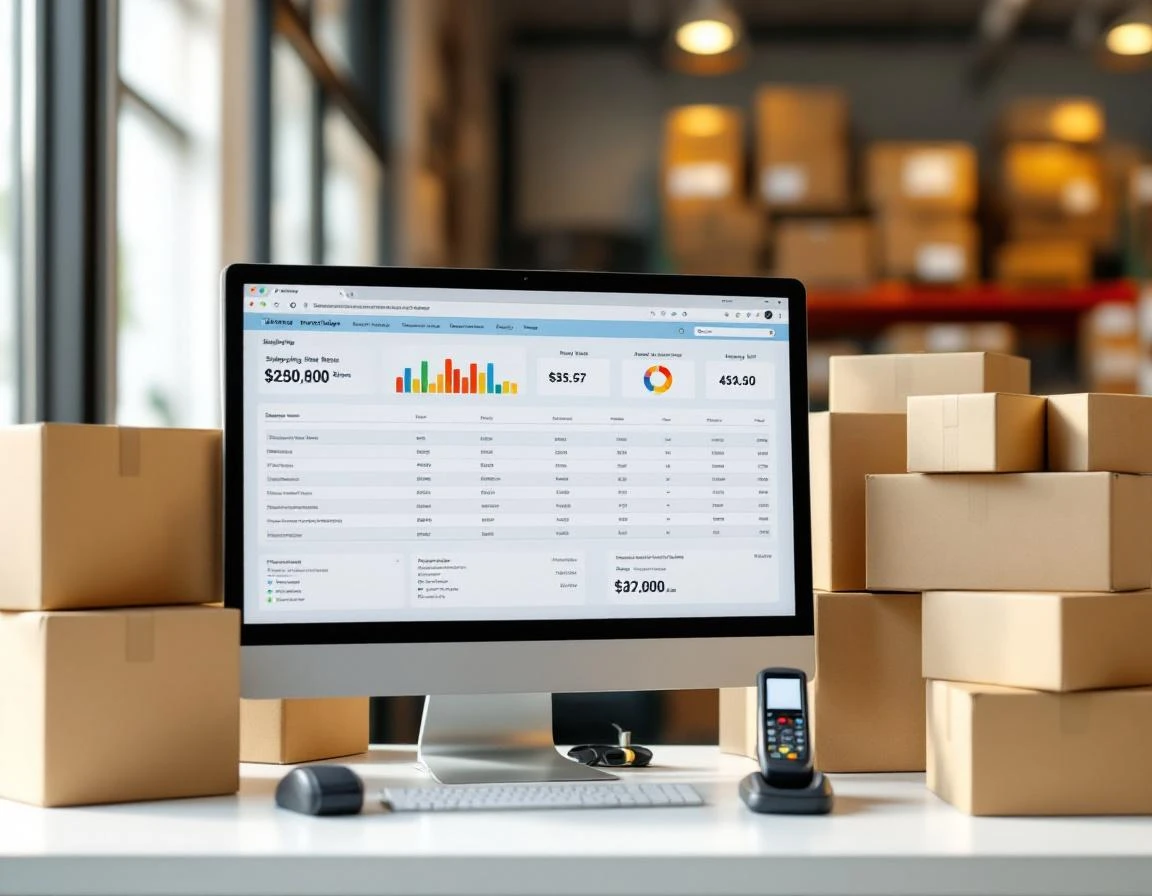
The best multi-carrier rate strategy fails without systems that execute it at checkout speed. Your POS platform needs real-time rate API integration across USPS, UPS, FedEx, and regional carriers — pulling live quotes based on package dimensions, weight, and destination while the customer waits at the counter. Platforms like ParcelPuffin display comparison tables automatically, eliminating the manual work of checking multiple carrier websites.
Visual rate displays shift decision-making from staff to customers. When a customer sees that FedEx Ground offers better value than USPS Priority for their 5-pound cross-country box, they choose the savings themselves — no sales pitch required. This transparency builds trust while reducing the burden on counter staff during peak hours.
Train your team to spot upsell opportunities within rate comparisons:
- Insurance add-ons
- Signature confirmation for high-value items
- Expedited options when the price difference is minimal
Staff should understand carrier service differences — USPS flat-rate boxes, UPS pickup times, FedEx weekend delivery — to answer questions confidently.
Before April 2026 peak volume arrives, unified shipping platforms prove their value by handling multiple carriers through one label-printing workflow, one reporting dashboard, and one billing reconciliation process. Operational simplicity at scale drives customer confidence in your ability to find them the best rate every time.
Action Plan for April 2026 Readiness
Breaking down multi-carrier implementation into actionable steps keeps your store ahead of USPS financial challenges shipping operators now face. Start with a 30-60 day audit of current carrier relationships:
- Compare your existing UPS and FedEx rates against published residential and commercial pricing
- Identify which customer segments currently use USPS by default
- Document where rate gaps exist for common package profiles
Negotiate Q2 2026 rates immediately with UPS and FedEx representatives before April USPS increases take effect. Regional account managers often have flexibility for stores committing to volume targets, especially if you can demonstrate consistent monthly shipments across multiple services. Request quotes for Ground, 2-Day, and Overnight services to cover the full range of customer needs.
Before rolling out rate comparison to all customers, pilot the workflow with high-volume segments — regular business shippers, e-commerce sellers, or customers with predictable monthly patterns. Test how staff present carrier options, measure customer response to transparent rate displays, and refine your consultation approach based on real counter interactions.
Monitor competitor positioning through May and June 2026 as other stores react to USPS changes. ParcelPuffin’s unified shipping platform handles real-time carrier rate comparison and label printing without requiring separate logins or manual quote requests, letting you focus on customer service rather than system management during peak season transitions.