
The Margin Problem in Parcel-Only Routing
Many pack-and-ship stores lose money by defaulting to parcel carriers for shipments that should travel as freight. Understanding the difference between freight vs parcel shipping is critical to protecting margins on high-weight and oversized orders.
How forcing freight-eligible shipments into parcel networks
When stores default to parcel services for every shipment—regardless of weight or dimensions—they absorb carrier surcharges that freight carriers would handle more efficiently. A 120-pound equipment order forced into UPS ground triggers oversized fees and multiple-package splits that erode margins measurably compared to a single LTL pickup.
Quote errors compound the problem. Manual routing decisions made during rush periods often skip the freight evaluation step entirely, leaving hundreds of dollars in margin on the counter. Training staff to recognize freight-eligible thresholds—typically 150+ pounds or items exceeding 108 inches in combined length and girth—prevents these costly mistakes before the label prints.
The cost of staff indecision when handling oversized orders
When a high-value or oversized order arrives at the counter, staff face a split-second choice: quote parcel or explore freight. Without clear thresholds, most default to parcel services simply because the workflow is familiar. That hesitation costs stores real margin—parcel carriers apply oversized fees and require package splits when dimensions or weight exceed thresholds, turning a single freight-eligible order into multiple expensive parcel shipments.
Pack-and-ship stores need decision frameworks that flag freight eligibility automatically, removing guesswork and training staff to recognize when LTL routing preserves profit instead of eroding it.
Freight vs Parcel: Core Eligibility Triggers
Most pack-and-ship stores rely on three carrier thresholds to separate parcel from freight shipments:
- Weight
- Dimensions
- Dimensional weight calculations
USPS Parcel Select® caps at 70 pounds, UPS Ground at 150 pounds, and FedEx Ground at 150 pounds. Once a package exceeds these limits, parcel carriers either refuse service or add oversized fees that quickly erase any margin. Knowing when to use freight shipping instead of parcel saves stores thousands annually.
Dimensional weight introduces a second layer of complexity. Carriers calculate dimensional weight by multiplying length × width × height (in inches), then dividing by a divisor — typically 139 for domestic shipments. If the dimensional weight exceeds the actual weight, the carrier bills at the higher number. A 30-pound box measuring 30″ × 30″ × 30″ calculates to 194 pounds dimensionally, pushing it into freight territory even though the actual weight seems manageable for parcel service.
LTL carriers typically require a 100- to 150-pound minimum shipment weight, which creates a decision zone between parcel caps and freight minimums. Items weighing 75 to 99 pounds often fall into a gray area where neither service makes immediate sense. Geography shifts this calculus further: an intrastate LTL shipment within 200 miles may cost less than splitting an oversized package into multiple parcel boxes, while cross-country LTL quotes for t…he same weight can exceed parcel costs. Understanding the differences between parcel and LTL freight shipping becomes critical in…pping differences becomes essential for accurate quoting.
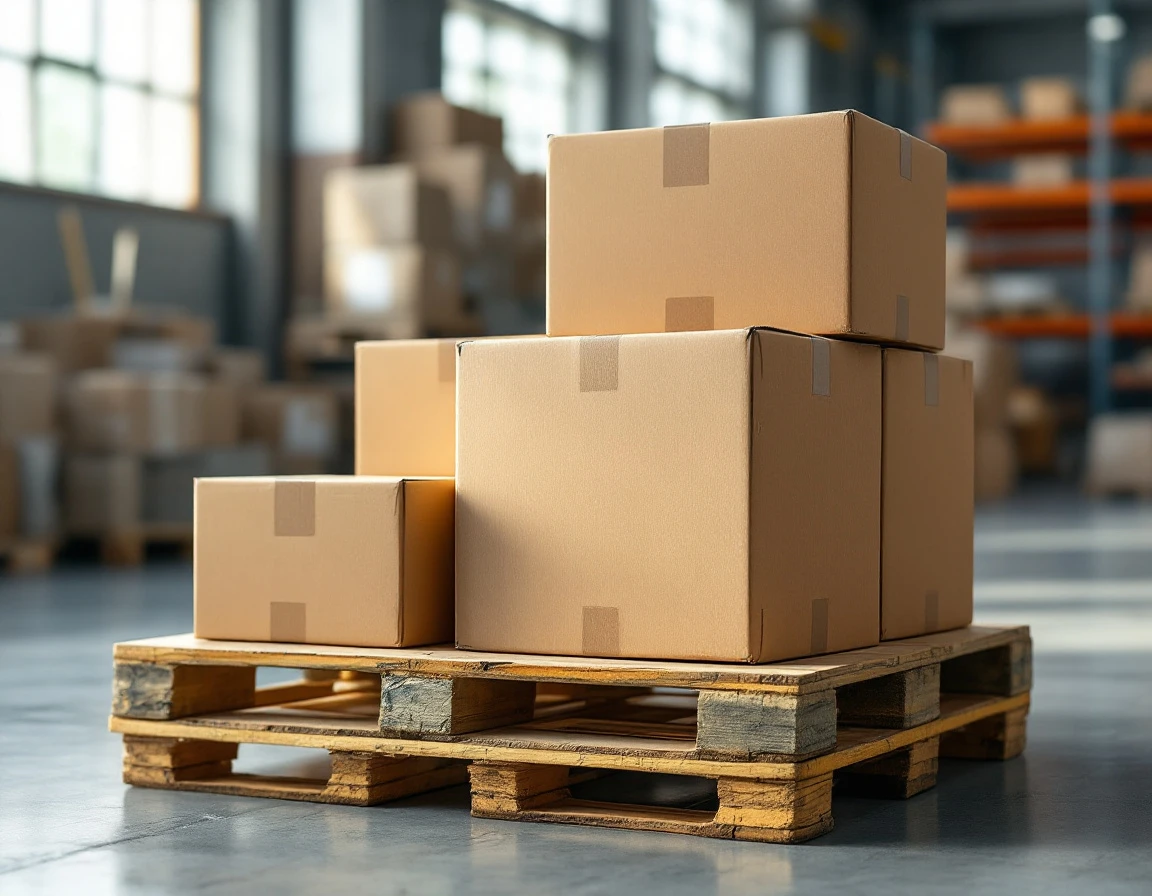
Physical form matters as much as weight. Shipments loaded on pallets, skids, or requiring liftgate service automatically disqualify from parcel networks regardless of total weight. A 60-pound machine strapped to a pallet must travel LTL because parcel hubs lack the equipment to handle palletized freight. Staff who understand these criteria prevent costly misroutes by flagging freight-eligible orders before quoting parcel rates that don’t apply.
POS Automation Rules to Flag Freight Shipments
Modern POS systems let you encode your freight decision framework directly into checkout workflows. Instead of relying on staff to remember weight and dimension thresholds during busy periods, integrated platforms like ParcelPuffin apply if-then logic at the transaction level: if weight exceeds 150 lbs and the destination is over 500 miles, the system flags the order for LTL review before generating a quote. If any dimension exceeds 96 inches, the system prompts for freight class selection rather than defaulting to parcel carriers.
These rules appear as real-time alerts during quote entry or checkout, preventing staff from accidentally routing freight-eligible shipments through parcel networks. A store employee enters package details, and the system immediately surfaces a notification: “This shipment qualifies for freight—review LTL options before finalizing.” The workflow pause takes three seconds but catches margin-eroding mistakes before they reach the customer.
Configuring automation rules requires no retraining. Store owners set weight, dimension, and destination thresholds once in the POS settings panel, then the system enforces them consistently across all counter transactions. Stores using automated freight flagging report error reductions that restore margins previously lost to oversized fees and package splits.
The integration between freight rules and carrier selection tools means staff see LTL quotes alongside parcel options when a shipment triggers freight criteria. This side-by-side comparison—built into the same screen used for everyday parcel quotes—reduces manual decision-making by eliminating guesswork about when to check freight rates. Visit our POS features page to explore how automated freight rules integrate with real-time carrier comparison.
Common Quote Errors and How Automation Fixes Them
Three quoting mistakes drain margins at pack-and-ship counters every day:
- Manual weight or dimension entry errors—staff rushing through transactions may transpose digits or skip measurements entirely, producing parcel quotes that trigger oversized fees when the shipment actually qualifies for freight.
- Misunderstanding carrier-specific rules. Many stores assume all shipments over 70 pounds require parcel services with surcharges, unaware that LTL carriers accept loads starting at 150 pounds and often deliver for less.
- Forgetting regional surcharges or fuel adjustments when quoting freight, leading to quotes that seem competitive but collapse when the actual invoice arrives. These mistakes are exactly the type of shipping quote errors pack and ship stores must eliminate through better systems.
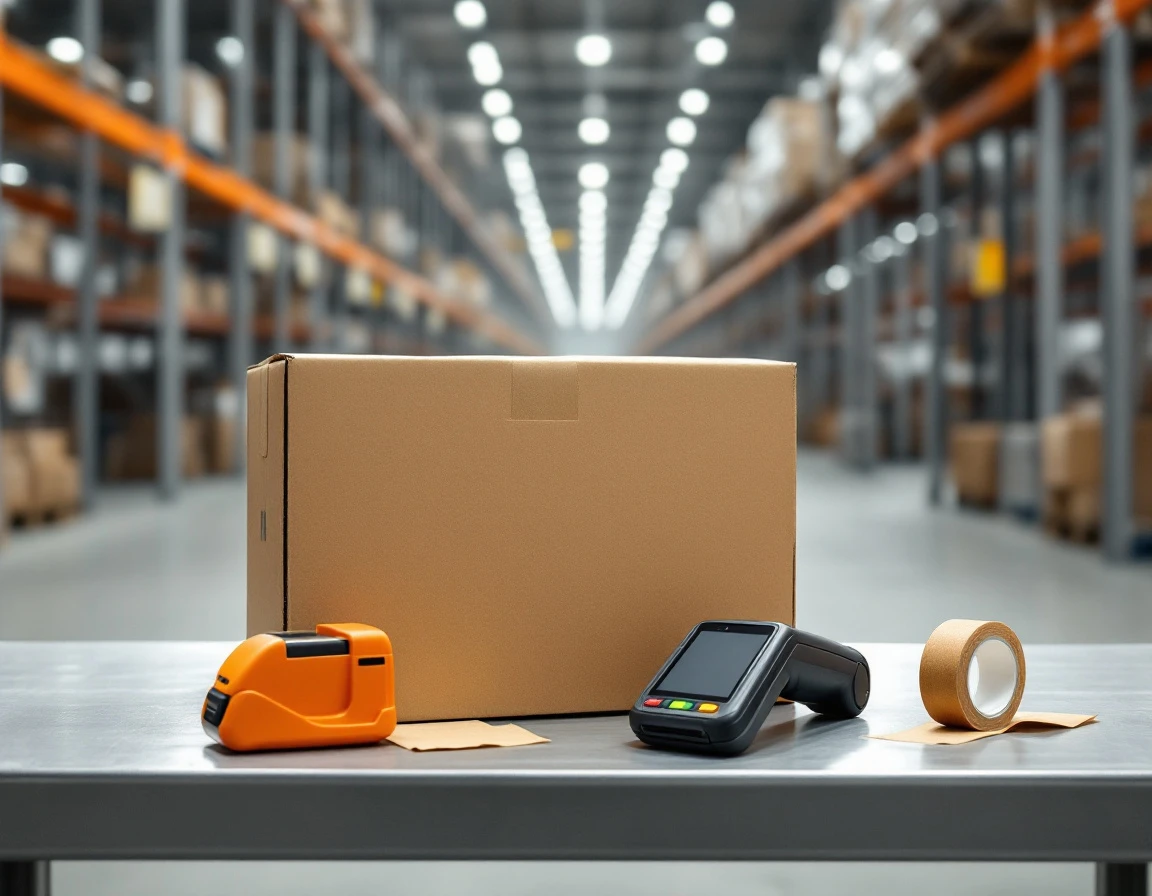
POS automation with built-in carrier rules eliminates these mistakes at checkout. When a customer ships a 400-pound crate, the system pulls real-time rates from both parcel and freight carriers, applying current fuel surcharges and regional fees automatically. Staff see the correct comparison instantly—no mental math, no carrier rulebook lookups.
Consider a before-and-after scenario: A store manually quotes a heavy shipment using parcel services, splitting the load across multiple boxes and adding oversized fees. The customer balks at the price. With automation, the same shipment routes to LTL freight, protecting both the customer relationship and the store’s margin. The system flags the freight option before the quote is printed, so staff never default to the expensive parcel path out of uncertainty.
Optimizing Margin on High-Value Shipments
When stores correctly route freight-eligible shipments, they recover 15–25% margin improvement on high-value orders by offering LTL at lower cost than parcel while maintaining healthy gross profit.
High value shipment automation enables this recovery by removing human error from routing decisions. This uplift is real: a 400-pound shipment quoted at $52 via LTL instead of $85 parcel retains $33 in margin that would otherwise evaporate to oversized fees and package splits.
The pricing strategy splits into two approaches. Some owners pass 20% of the carrier savings to customers—building loyalty through transparent, accurate quotes that beat competitors—while retaining 80% as margin gain. Others maintain parcel-equivalent pricing and pocket the full LTL discount advantage. Both work. The key is consistency. Customers who receive a $68 quote (passing through 20% of the $33 savings) trust the store when they see competitors quoting $85 for parcel. Freight shipping margins in small business operations improve markedly when stores stop leaving money on the table through poor routing.
This margin uplift scales automatically. Because the POS system handles routing and flags freight-eligible orders at checkout, no additional labor is required. Staff follow the system’s prompts rather than memorizing thresholds or second-guessing carrier rules. Automation enables profitability gains without staff expansion.
Ready to see how ParcelPuffin’s freight routing can improve your margins? Schedule a demo or explore pricing options customized to pack-and-ship operations.